
Key Takeaways:
Pickleball participation in the U.S. soared to 24.3 million players in 2025, with a 45.8% year-over-year increase and major demographic shifts toward younger adults and families.
The rise in weekday evening play and demand for structured, skill-based programming is transforming how communities schedule courts and balance social with competitive play.
Players are investing more in specialized court footwear and performance apparel, prompting clubs and retailers to expand their gear offerings and prioritize inclusive, community-driven engagement.
Pickleball participation surged by 45.8% in 2025 compared to 2023, with 24.3 million Americans now playing regularly. This remarkable growth represents a 311% increase over just three years, fundamentally reshaping who steps onto courts and how communities organize play.
This growth isn't just about numbers. The demographic landscape has shifted dramatically since 2024, with younger players now comprising larger portions of the community.
These changes are driving new demands for performance-ready footwear and specialized apparel, while also driving more structured programming that balances social connection with competitive play. This growth report's key insights from 2025 reveal how understanding these participation patterns, demographic shifts, and evolving gear preferences helps community leaders create more inclusive experiences that serve both seasoned players and newcomers alike.
Ready to equip your community with gear that matches 2025's dynamic playing style? Explore PB5 for court footwear engineered specifically for pickleball's unique movement demands.
Participation Patterns: How 2025 Numbers and Behaviors Differ from 2024
Community organizers noticed something different in 2025. The familiar rhythms of weekend-heavy play and casual drop-in sessions were shifting. How pickleball participation changed from 2024 to 2025 reveals a sport maturing beyond its laid-back origins. With 24.3 million players now active across the country, the evolution isn't just about numbers but about how and when people choose to play.
Weekday Evening Play and Structured Competition Take Center Stage
Gone are the days when weekend open play dominated court schedules. 2025 brought a noticeable surge in weekday evening sessions, with working professionals seeking competitive outlets after hours. These evening players gravitate toward challenge ladders and organized tournaments because they want maximum value from their limited court time. Courts that once sat empty on Tuesday nights are now fully booked throughout the week, driven by players who prefer structured competition over casual rallying.
Facility Managers Embrace Staggered Scheduling and Format Variety
Smart facilities are responding to increased demand by implementing staggered scheduling systems that maximize court usage without overwhelming players. Instead of traditional two-hour blocks, many venues now offer 90-minute sessions with 30-minute buffers. Round robin formats and skill-based groupings have replaced the open-format approach that worked when participation was lighter.
Program Directors Face the Challenge of Balancing Social Connection with Competitive Drive
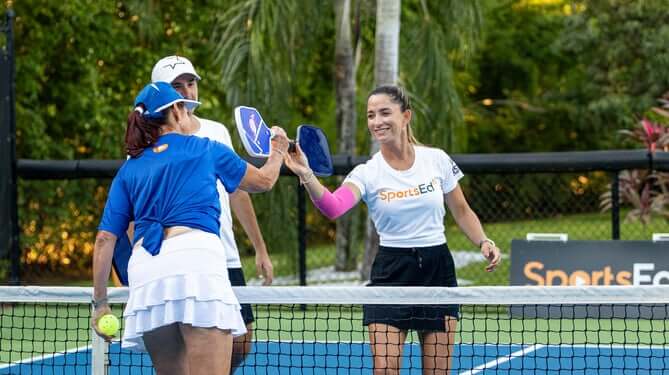
These scheduling innovations create new opportunities, but they also present a balancing act for community leaders. The biggest challenge in 2025 is maintaining the welcoming, social atmosphere that draws newcomers while satisfying experienced players who crave competition. Successful communities are running parallel programming that offers both casual social play and structured competitive leagues. This dual approach ensures that the retired teacher mentoring beginners and the former tennis player seeking tournament prep both find their place in the same facility.

Demographic Shifts: New Faces and Changing Groups in 2025
The most significant demographic shifts in pickleball players, according to the 2025 growth report, reveal a sport attracting younger adults and families in ways we haven't seen before. These changes are reshaping how communities organize play and plan events.
Younger professionals dominate weekday evening play: The 18-34 age group now represents a larger portion of new players, particularly during Thursday and Friday evening court time
Women-led programming expands rapidly: Female participation increases have sparked dedicated women's clinics, mentorship programs, and leadership development initiatives
Multi-generational families join together: Households with players spanning 20-30 years in age difference are becoming common, creating demand for flexible skill-level mixing
Late-week participation surges: Thursday through Saturday sessions see the highest expansion among working-age adults seeking social and competitive play
Inclusive event formats multiply: Communities are designing tournaments and socials that accommodate different skill levels, ages, and playing styles simultaneously
According to the Sports & Fitness Industry Association, participation has risen 171.8% since 2022, with much of this increase coming from demographics that weren't traditionally represented in recreational sports. The USA Pickleball annual report confirms these shifts are driving facility expansion and programming changes nationwide.
These demographic changes mean organizers like you need to think differently about scheduling, event formats, and community building. The next shift worth examining is how these new players are approaching their footwear and apparel needs, particularly the demand for performance-ready court shoes that support longer, more intense play sessions.
Gear and Apparel Evolution: What's New and Popular in 2025
The shift toward specialized court footwear marks one of the biggest changes in player preferences this year. Where 2024 saw many players wearing general athletic shoes, 2025 participants are investing in footwear specifically engineered for pickleball's unique demands.
According to DUPR's research, core players now spend an average of $240 annually on court shoes, prioritizing lateral stability and durability over generic comfort. This reflects players' growing commitment to performance and recognizing that proper court footwear directly impacts their game and injury prevention.
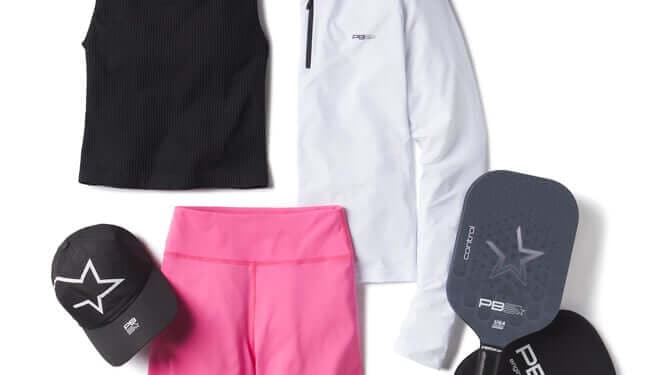
Community organizers see increased demand for performance apparel that can handle longer, more competitive sessions. The growing participation rates have prompted clubs and retailers to expand their approach, offering wider size ranges and hosting on-site fitting events to serve the sport's increasingly diverse player base. These initiatives help newcomers find gear that fits properly and performs well, while experienced players can access the latest innovations in moisture-wicking fabrics and ergonomic designs that support extended play and recovery between matches.
Community Engagement: How 2025's Growth Is Shaping Programs and Events
The massive growth in pickleball participation has transformed how communities welcome and retain new members. Clubs and program leaders are discovering that the role community engagement plays in the growth of pickleball from 2024 to 2025 goes far beyond simply opening more courts. Smart programming and intentional relationship-building have become the secret ingredients for thriving pickleball communities.
Mentorship Programs and Newcomer Support Take Center Stage
Communities nationwide have expanded structured support programs for new participants. USA Pickleball's growth report highlights significant investments in coach education and ambassador networks, creating more pathways for experienced members to guide newcomers. Local clubs are pairing seasoned participants with beginners for multi-week mentorship programs, while dedicated newcomer clinics now run weekly rather than monthly. This shift recognizes that with 24.3 million participants nationwide, according to SFIA data, keeping new members engaged takes intentional programming and community building.
Event Formats Adapt to Diverse Player Needs
Program leaders are listening to feedback from the sport's evolving membership base and adapting accordingly. Women-only sessions, multi-generational tournaments, and adaptive programming for participants with different physical abilities have become standard offerings rather than special events. Community-focused approaches that emphasize social connection alongside competition are drawing members who might have felt intimidated by traditional tournament formats. Club leaders report that mixed-skill events and beginner-friendly formats are filling faster than advanced-only competitions.
Community-Driven Retention Becomes the New Standard
The most successful clubs have moved beyond drop-in play to create ongoing engagement opportunities. 28-day skill challenges, themed social events, and league structures that prioritize fun over high-level competition are keeping members coming back week after week. These initiatives recognize that building lasting connections between participants creates stronger communities than focusing solely on skill development.
Turning Insights Into Action: Gear Up and Build Community With PB5
The 2025 growth data reveals pickleball's continued expansion across all demographics, with notable increases in weekday evening play and multi-generational participation. These shifts require community organizers to adapt scheduling, programming, and gear recommendations to serve a more diverse player base effectively.
To capitalize on these trends, smart preparation makes all the difference when welcoming new players and supporting seasoned ones. Consider creating gear checklists that emphasize PB5 court footwear designed for lateral movement and recovery options for longer sessions. Our men's court shoes and women's collections combine performance technology with the comfort today's players demand.
Want to give your players the foundation they need? Explore PB5 court footwear engineered for the agility and support that match the game’s dynamic playing style.
FAQs
How can we adjust court scheduling to handle growing demand in 2025?
Implement staggered time slots and reserve specific hours for different skill levels. Extend evening hours to serve the expanding player base of 24.3 million participants. Create structured formats like round-robin sessions to maximize court usage and reduce wait times during peak periods.
Which demographic changes from 2025 should most influence our programming?
Focus on the growing 18-34 age group and increased women's participation. Design multi-generational events that serve families playing together. Offer varied programming from competitive leagues to social mixers, as USA Pickleball reports significant growth across all age segments and adaptive players.
How do 2025's demographic shifts change gear recommendations for our community?
The younger player influx and longer play sessions drive demand for performance-focused equipment. Recommend court-specific footwear designed for lateral movement and all-day events. Stock wider size ranges and moisture-wicking apparel to serve the more diverse body types joining the sport.
How do we balance competitive and recreational play with higher participation rates?
Designate specific courts and times for each format. Create beginner-friendly sessions alongside competitive opportunities. Use league structures to organize players by skill level while maintaining the inclusive community atmosphere that attracts newcomers.
What infrastructure changes should communities prioritize based on 2025 growth patterns?
Add lighting for evening play and improve court surfaces for year-round use. Consider portable nets for overflow areas during peak times. Plan for expanded parking and social spaces, as community gathering has become as important as gameplay itself for many participants.