
Key Takeaways:
Strategic thinking, mental preparation, and adaptability are the cornerstones of a winning pickleball game plan.
Personalized strategies that leverage your strengths, address weaknesses, and incorporate high-performance gear can elevate your game.
Effective communication and teamwork in doubles play, mental focus, and preparation are essential for consistent success on the court.
A winning pickleball game plan is what separates good players from great ones. Success comes from combining tactical awareness, mental preparation, and the confidence to adapt under pressure. From mastering serve placement and court positioning to building the focus needed for critical points, the right plan ensures you’re prepared for whatever your opponents bring.
Competitive players know that pickleball is as much a mental chess match as it is a physical contest. Reading opponent tendencies, coordinating with a doubles partner, and staying adaptable in real time all play into maintaining control of rallies and dictating outcomes. Proper preparation builds consistency, and strategic execution delivers results on the court. At PB5star, we provide performance-driven apparel and footwear designed to give you the confidence and support to implement your game plan.
Building your personalized pickleball game plan
Creating a personalized pickleball game plan starts with honest self-reflection about your strengths and areas for growth. Analyze your tendencies on the court: are you a power player or a finesse player? Understanding opponents' patterns and adapting strategies can significantly improve match outcomes. Your game plan should leverage your unique assets while addressing weaknesses through targeted practice and smart positioning.
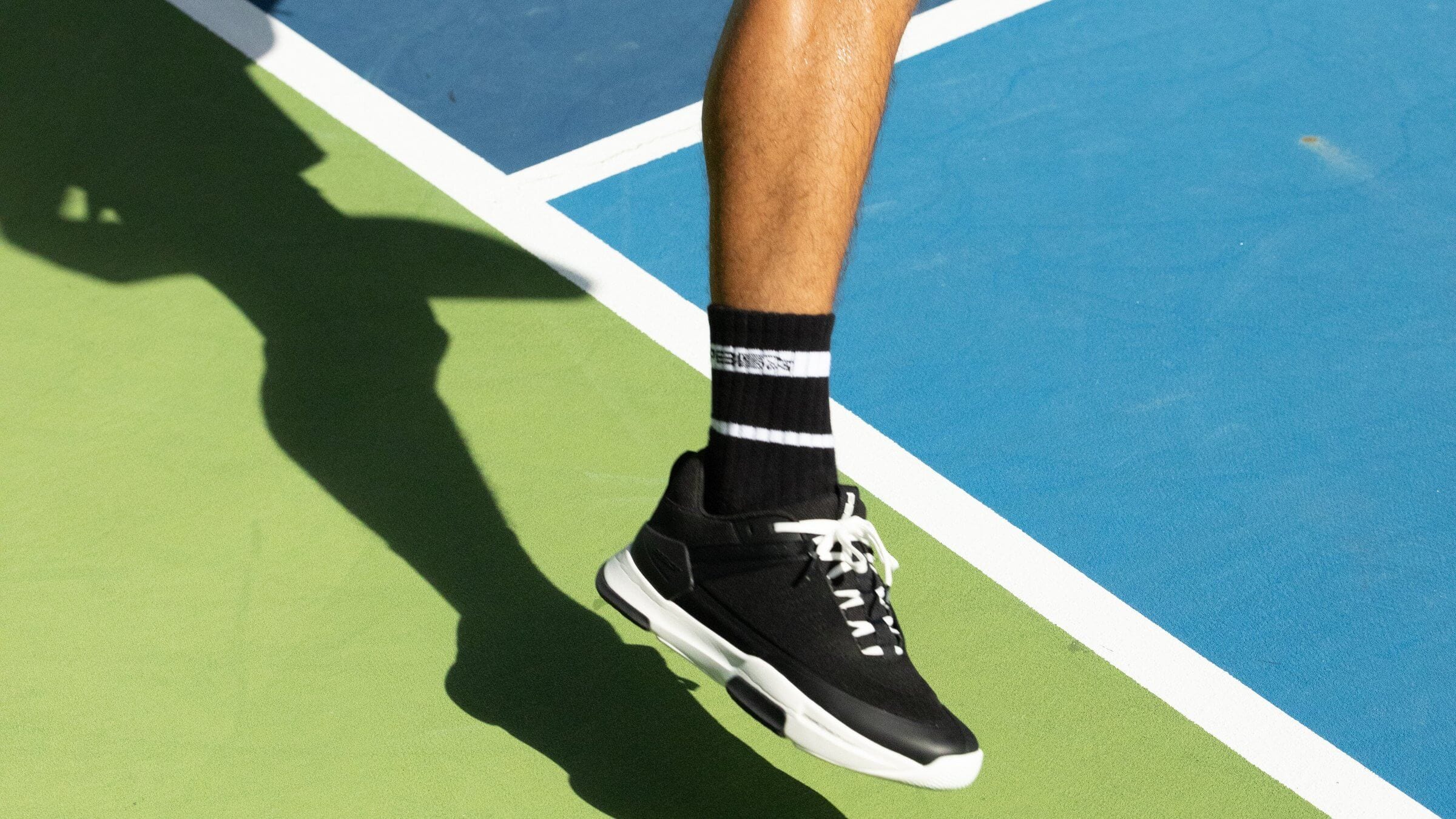
The right gear becomes an extension of your strategy, building confidence from the moment you step onto the court. Choosing high-quality, exclusive gear reflects your commitment to excellence and sustainable practices. When your equipment aligns with your standards, it creates a psychological advantage that enhances performance and enjoyment of the game.
Strategic play: core tactics for competitive matches
Winning pickleball match strategies require smart shot selection, tactical positioning, and the ability to read your opponent's patterns. These core tactics will help you control the pace and flow of competitive matches.
Target your opponent's feet: Whether at the baseline or non-volley zone, hitting low forces difficult volleys and creates offensive opportunities throughout the point.
Position yourself near the kitchen line: Maintaining your spot close to the non-volley zone keeps pressure on opponents and gives you the best angle for aggressive shots and quick reactions.
Play aggressively against stronger opponents: When facing better teams, take control by ending points quickly with decisive shots rather than playing defensively and hoping for errors.
Vary your shot selection strategically: Mix dinks, drives, and lobs to keep opponents guessing and prevent them from settling into a rhythm or preferred position on court.
Practice match-point scenarios: Run drills like serving when down a match point or defending 2-on-1 situations to build confidence in your tactical execution under pressure.
Exploit opponent weaknesses: Watch for tendencies in their backhand returns, movement speed, or preferred shot patterns to develop targeted strategies that give you the competitive edge.
Core strategies like smart shot placement, strong kitchen positioning, and targeted exploitation of weaknesses allow players to control rallies and dictate the tempo of play. Combining variety in shot selection with deliberate practice of high-pressure scenarios builds the tactical confidence needed to handle competitive matches.

Communication and teamwork: the doubles advantage
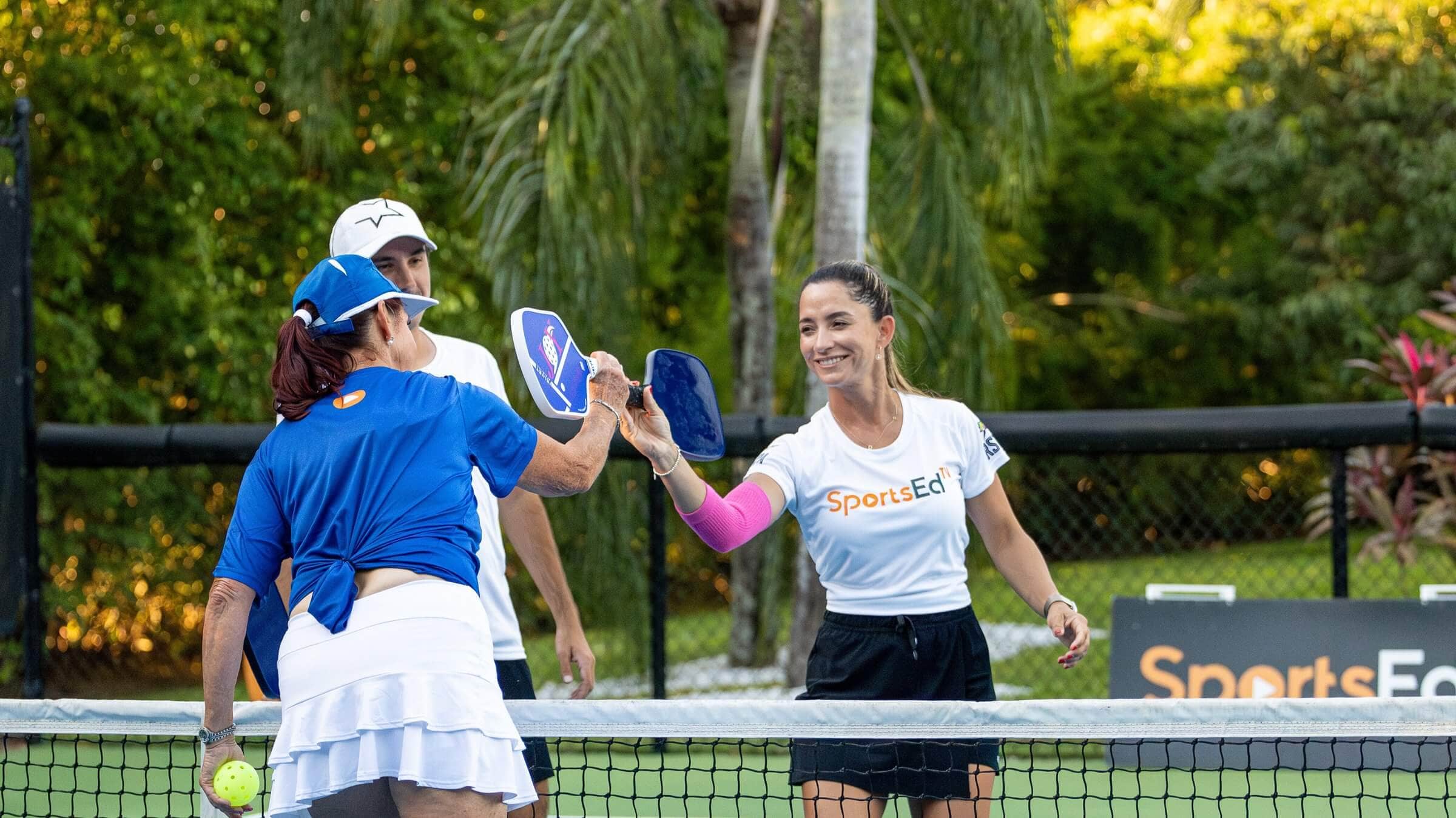
Strong pickleball partner communication turns good players into cohesive teams. When you and your partner develop seamless doubles teamwork, you control the court and dictate the pace of play.
Use clear verbal calls and signals: Simple commands like "mine," "switch," or "bounce it" to coordinate movements and reduce errors while increasing scoring opportunities.
Define specific court roles and positioning: Maximize coverage without leaving gaps. One partner should take responsibility for middle shots while the other covers cross-court angles, creating a system that becomes second nature.
Provide supportive communication: Encourage and refocus each other during momentum swings. Quick reminders and positive words maintain mental connection when matches get intense.
Coordinate your team's apparel: Distinctive designs that enhance partner coordination on the court. Matching outfits with bold, recognizable patterns helps partners spot each other quickly during rapid exchanges while projecting unified confidence that can intimidate opponents.
Use non-verbal cues effectively: Employ eye contact, subtle shifts, and body language to communicate strategy without tipping off opponents, keeping your plays unpredictable.
Strong partner communication turns doubles play into a seamless, unified effort. By blending verbal calls, role clarity, encouragement, and subtle non-verbal cues, teams gain the advantage of coordination and consistency, allowing them to dictate rallies and outmaneuver opponents confidently.
Adapting your game plan in real time
Reading your opponents becomes second nature when you spot their tendencies early in a match. Watch for their preferred shots, movement patterns, and responses under pressure. Most players struggle with their backhand shots, making this a prime target during serves and rallies. The ability to adapt your game plan mid-match separates good players from great ones.
Flexibility means having multiple strategies ready before you step on the court. Prepare different approaches for aggressive net players, defensive baseline specialists, and everything else. Weather conditions, court surfaces, and even the time of day can affect ball behavior, so your backup plans should account for these variables. Use timeouts strategically to regroup and refocus, assess what's working, and communicate necessary adjustments.
Mental preparation for consistent wins
Good and great players often differ in mental preparation and mindset. Mental preparation and pickleball strategies can transform your performance by building the psychological foundation for consistent success under pressure.
Create consistent pre-match rituals: Develop habits that prime your mind for peak performance, such as listening to motivational music or stretching routines that build focus and readiness.
Practice visualization techniques: Mentally rehearse successful shots, strategic plays, and positive outcomes before stepping onto the court. Combine this with positive self-talk to combat negative thoughts and maintain mental focus throughout your matches.
Develop pre-point routines: Use small, repeatable actions like deep breathing or adjusting your grip to reset your focus and manage stress between rallies.
Adopt a growth mindset: View each match as a learning opportunity rather than a win-or-lose test, helping you stay composed during tough points and recover quickly from mistakes.
Eliminate distractions: Staying focused on the current point rather than dwelling on past errors or worrying about future outcomes. Players who master this concentration skill maintain a competitive edge throughout their matches.
Building mental preparation into your pickleball strategies strengthens the psychological foundation for consistent success. With rituals that promote focus, visualization that boosts confidence, and routines that reduce stress, you can play with clarity under pressure.
Step onto the court with confidence and style
A winning pickleball game plan is built on preparation, adaptability, and mental strength. Players can create the focus and confidence needed to stay composed in competitive moments by practicing visualization, positive self-talk, and consistent routines. Structured strategies help transform pressure into opportunity, allowing you to execute with clarity and resilience on the court.
Just as important, the right gear and a strong community provide the foundation for success beyond tactics alone. Surrounding yourself with quality apparel and equipment ensures your focus stays on strategy, while connecting with others who share your passion helps keep motivation high. At PB5star, we provide performance-ready apparel and gear to support your game plan and help you confidently compete.
FAQs
How do you create a personalized pickleball game plan for your play style?
Start by honestly assessing your strengths and weaknesses. Then, build your strategy around what you do best while addressing areas that need improvement. Study your opponent's tendencies and habitual shots to identify opportunities you can exploit during matches. Your personalized plan should include specific serving strategies, preferred court positioning, and shot selection that match your natural playing rhythm.
What strategies help you adapt your pickleball game plan during a match?
Stay mentally flexible and observe patterns in your opponent's play. Then, make real-time adjustments to counter their strengths or exploit newly discovered weaknesses. Use timeouts strategically to reset your approach when momentum shifts, and maintain a variety of shots, drops, drives, and dinks, to keep opponents guessing. The key is recognizing when your initial strategy isn't working and having backup tactics ready to deploy.
How can communication with your partner improve your pickleball game plan?
Effective partner communication starts before you step on the court by discussing playing styles, preferred approaches, and each player's roles. During matches, maintain ongoing dialogue to adapt tactics and reinforce strategies as the game evolves. Clear signals and supportive communication build trust and help you maintain focus during momentum swings, which is particularly important given that doubles participation has increased.
What mental preparation techniques are essential for a winning pickleball game plan?
Develop pre-match routines that help you stay relaxed and confident, as mental preparation directly impacts your performance during competitive play. Practice visualization techniques where you mentally rehearse successful shots and positive outcomes, combined with positive self-talk to manage nerves. Embrace a growth mindset that views every match as a learning opportunity, which helps you maintain composure and adapt when facing challenging opponents or unexpected situations.