
Pickleball's popularity has taken off in recent years, with participation growing by an impressive 158.6% over just three years. As more people discover the joy of this dynamic sport, understanding how to score becomes an essential part of the game. No matter where you are in your pickleball journey, grasping the scoring system can enhance your enjoyment and boost your performance on the court.
At PB5star, we're passionate about helping you feel confident and play your best. Our carefully crafted apparel is designed to complement your game, allowing you to focus on mastering skills like scoring. As you dive into the world of pickleball points and rules, you'll find that the right gear can make a significant difference in your comfort and performance.
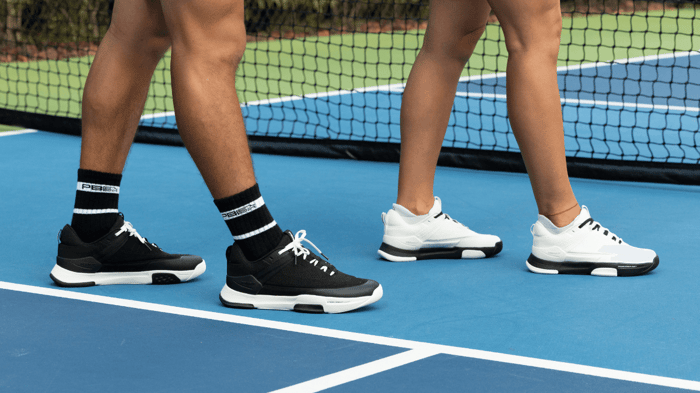
In this guide, we'll walk you through the fundamentals of pickleball scoring, including basic rules, point-keeping strategies, and how to handle faults. We'll also address common questions to help you become more confident in your scoring abilities. And as you continue to grow in the sport, keep an eye out for our upcoming footwear line – the perfect addition to your pickleball ensemble that will support you through every serve and volley.
Understanding pickleball scoring rules
Let’s dive into the world of pickleball scoring! Mastering these basics will not only improve your game but also enhance your enjoyment on the court.
How do you keep score in pickleball?
Great question! In pickleball, only the serving team can score points. Games usually go to 11 points, and you need to win by 2. Before each serve, call out the score – your team's points first, then your opponent's. It's a fun way to keep everyone engaged in the game!
In more competitive settings, you might also see games played to 15 or 21 points, but that same “win by 2” guideline still applies, so being precise with scoring calls matters even more as the score climbs.
What's unique about singles vs. doubles scoring?
Singles and doubles each have their own flavor! In singles, you're the lone server, switching sides based on your score. Doubles is a team effort – both players get a chance to serve before passing to the other side. In doubles, you'll call out three numbers: your score, your opponent's score, and which server you are (1 or 2). For example, if the score is 5-3-2 in doubles, your team has 5 points, your opponents have 3, and it’s the second server’s turn to serve; once you get comfortable reading that three-number system, you can focus more on strategy and less on doing math in your head.
Whether you're playing solo or with a partner, our PB5star gear is designed to keep you comfortable and looking great on the court.
How does your position on the court relate to the score?
It's all about even and odd! When your score is even (0, 2, 4...), serve from the right. When it's odd (1, 3, 5...), serve from the left. This applies to both singles and doubles. It might seem tricky at first, but you'll get the hang of it in no time!
A simple reminder many players use is “even-right, odd-left,” which helps you quickly double-check that you’re standing in the correct serving position before each point.
Any tips for scoring in competitive play?
As you grow in the sport, you'll develop your own style. Focus on consistent serves and smart positioning to create scoring opportunities. Remember, it's not just about winning; it's about enjoying the game and connecting with your pickleball community. And hey, when you're feeling good in your PB5star apparel, you'll play with more confidence too!
During tournaments or league play, build a quick pre-serve routine: confirm the score with your partner, glance at your position (right or left side), then announce the score clearly before you serve so both teams stay in sync.
Remember, understanding scoring is just one part of the game. Check out our guide on pickleball basics to round out your knowledge and become a true pickleball pro!
How to keep score in pickleball
Mastering the art of keeping score is key to enjoying seamless matches and impressing your fellow players. Let's tackle some common questions to help you become a pro at pickleball scoring.
What's the right way to announce the score?
Before each serve, it's your time to shine! In doubles, announce three numbers: your team's score, your opponent's score, and your server number (1 or 2). For singles, keep it simple with just your score followed by your opponent's. In a typical doubles game, the first server of the team starts on the right-hand side. After the team wins a point, the partners switch sides, and the same server serves again.
Remember, only the serving team can rack up points. Practice this rhythm, and you'll be announcing scores like a champ in no time!
Who's responsible for keeping track of the score?
Teamwork makes the dream work! The server takes the lead by announcing the score before each serve. As the receiver, your job is to give a nod or speak up if something seems off. This tag-team approach keeps the game fair and flowing smoothly, even when the action heats up. If there’s ever confusion, pause briefly, restate the last score both sides agree on, and restart play from there instead of trying to reconstruct several points from memory.
Any cool tools to help me keep score?
Absolutely! Scorecards are your trusty sidekick, especially when you're starting out. Pop them near the court for quick glances. If you're tech-savvy, check out digital apps for tracking scores and stats. Some players also like simple visual aids such as numbered wristbands or clip-on score trackers at the net, which act as quick reminders and reduce the chance of mid-game score disputes. Just remember, the best tool is the one that keeps you in the game, not distracted by it.
How can I stay on top of scoring during intense rallies?
Practice makes perfect! Regularly announcing scores will soon become second nature. Clear communication with your partner in doubles is your secret weapon against mix-ups. And here's a pro tip: wearing comfortable, performance-driven gear (like our PB5star apparel) helps you stay focused on the game, not your outfit. When you feel good, you play good!
You can also play a few low-pressure practice games where the main focus is calling the score correctly every time; slowing things down in practice makes it easier to stay sharp when the pace picks up. Remember, mastering scoring is just one piece of the pickleball puzzle. For more tips on upping your game, check out our guide on pickleball basics. Now get out there and score like a pro!
Pickleball faults and scoring
Let's dive into the exciting world of pickleball faults and scoring! Mastering this aspect of the game not only improves your play but also enhances the fun for everyone on the court. Ready to level up your pickleball knowledge?
What counts as a fault in pickleball?
In pickleball, a fault is any action that breaks the rules, ending the rally. When a fault occurs, it results in either a lost serve for the serving team or a point for the receiving team. Recognizing faults helps keep the game fair and enjoyable for all players, whether you're a beginner or a seasoned pro.
Which faults should I watch out for during a game?
Keep an eye out for common faults like hitting the ball into the net, stepping into the kitchen (non-volley zone) when volleying, or breaking the two-bounce rule. Serving errors, such as contacting the ball above your waist or stepping on the baseline, are also frequent culprits. Staying mindful of these rules keeps the game flowing smoothly and adds to the collective enjoyment on the court.
What are the common pickleball scoring mistakes players make?
Even experienced players can slip up with scoring when rallies move quickly. Forgetting the score before a serve, serving from the wrong position, serving out of turn, or confusion between partners in doubles are some of the most common issues. These mistakes can slow down play and sometimes lead to disagreements if they’re not caught early.
How can I avoid scoring confusion during a match?
The best habit to build is clearly calling the full score before every serve and making sure all players can hear it. Use simple reminders like “even-right, odd-left” to stay in the correct serving position, and take a moment with your partner in doubles to confirm who serves first and where each player should stand. If anything feels unclear, pause briefly and agree on the score before continuing.
How can I reduce faults in my gameplay?
The key to minimizing faults is a combination of practice, focus, and the right gear. Work on your technique and footwork regularly. Stay patient during rallies and be mindful of your positioning. Wearing comfortable, performance-driven apparel like our PB5star gear can make a world of difference. When you feel great in what you're wearing, you're more likely to move freely and confidently, helping you avoid those pesky faults and focus on your best game.
What's the best approach to handling fault disagreements?
In the spirit of pickleball's friendly community, approach fault disputes with open communication and good sportsmanship. If there's a disagreement, take a moment to calmly discuss the play with your opponent. Consider replaying the point if needed. Remember, pickleball is about having fun and connecting with others. A positive attitude during disputes not only resolves issues quickly but also strengthens the bonds within our pickleball community.
Pickleball scoring tips for beginners
Learning pickleball scoring takes a little practice, but it doesn’t have to feel overwhelming. By focusing on simple habits instead of memorizing every rule, beginners can stay relaxed, avoid common mix-ups, and enjoy smoother games from the start.
What should beginners focus on first when learning pickleball scoring?
Rather than trying to remember every rule at once, beginners should focus on consistency. Making score calling part of your routine before every serve creates a reliable anchor that naturally reinforces serving order, court position, and point tracking during play.
How can beginners reduce scoring stress during games?
Using small supports, like a quick partner check-in, a nearby scorecard, or a portable scorekeeper, can take pressure off your memory. These reminders help beginners stay present in the rally instead of worrying about whether the score is correct.
When is the best time to practice scoring rules?
Scoring is easiest to learn during low-pressure situations. Short practice games or drills that emphasize calling the score, confirming serving position, and rotating correctly allow beginners to build comfort before stepping into faster, more competitive matches.
Why do scoring habits matter so much for new players?
Strong scoring habits free up mental energy. When beginners aren’t second-guessing numbers or rotations, they can focus on positioning, shot selection, and overall confidence. That clarity accelerates learning and makes pickleball more enjoyable from the very beginning.
Pickleball scoring FAQs
Got questions about pickleball scoring? You're not alone! Let's tackle some of the most common pickleball scoring FAQs to help you navigate the game with confidence and style.
How does scoring work in tournament play?
Tournament play often introduces exciting variations to keep things interesting. While recreational games typically stick to the basics, tournaments might feature games to 15 or 21 points, or even adopt a best 2 out of 3 format. These tweaks add an extra layer of challenge and excitement to competitive play.
Are there scoring differences among various pickleball organizations?
While the core scoring concept remains consistent, some local leagues or organizations might spice things up with modified systems. These variations often aim to manage time more effectively or encourage faster-paced play. It's always a good idea to double-check the specific rules before joining a new league or event.
How can I stay updated on the latest pickleball scoring rules?
Staying in the loop is all about connecting with the pickleball community. Follow official pickleball websites and resources for the most up-to-date information. And here's a fun tip: wearing PB5star gear at your local courts can be a great conversation starter, helping you connect with fellow enthusiasts who might share the latest scoring trends and rule updates.
What's a quick tip for beginners to grasp pickleball scoring?
Make scoring practice a fun part of your pickleball routine! Team up with friends and practice announcing the score before each serve, even during casual games. In doubles, remember to call out three numbers: your score, your opponent's score, and your server number (1 or 2). Not only will this help you internalize the scoring system, but it's also a great way to bond with your pickleball buddies.
Join PB5star to elevate your pickleball game
Mastering how to score pickleball is a key step in becoming a confident player. As you refine your skills and deepen your understanding of the game, why not pair your growing expertise with gear that's designed to enhance your performance?
At PB5star, we're passionate about creating apparel and accessories that not only make you look great on the court but also support your best game. Our commitment to quality means you'll be wearing exclusive, sustainably-produced pieces that minimize environmental impact while maximizing your pickleball experience.
Explore our collection of performance-driven apparel and join a community that values style, performance, and the sheer joy of the game. Whether you're aiming to improve your personal best or looking to connect with fellow enthusiasts, PB5star is here to support you at every serve and volley. And here's an exciting tidbit – keep an eye out for our upcoming footwear line, set to perfectly complement your PB5star ensemble. L
et's elevate your game together and make every match your best yet. Join the PB5star family today and experience the difference that top-quality, sustainably-made gear can make in your pickleball adventure!