
When Did Pickleball Start? Unraveling the Game's History
Key Takeaways:
Pickleball was invented in 1965 by Joel Pritchard, Bill Bell, and Barney McCallum on Bainbridge Island, Washington, as a family-friendly game combining tennis, badminton, and table tennis.
The sport has grown from a backyard pastime to a global phenomenon with millions of players, thanks to its accessibility, social nature, and low learning curve.
Modern pickleball rules, established by organizations like the USA Pickleball Association and the International Federation of Pickleball, promote fair play and a balanced playing field for players of all abilities.
When did pickleball start? Pickleball has a fascinating origin story dating back 1965. That summer, on a quiet afternoon on Bainbridge Island, Washington, a new sport was born out of family boredom. This game, which would soon become a nationwide phenomenon, was pickleball. Created by Joel Pritchard and Bill Bell as a solution to entertain their families, pickleball has grown from a backyard pastime to a beloved sport with millions of players across the globe.
Understanding the history of pickleball offers more than just trivia. It provides insight into the sport's core values of accessibility and community, which continue to shape its evolution today. These founding principles resonate with modern players and influence current trends in equipment design and playing styles.
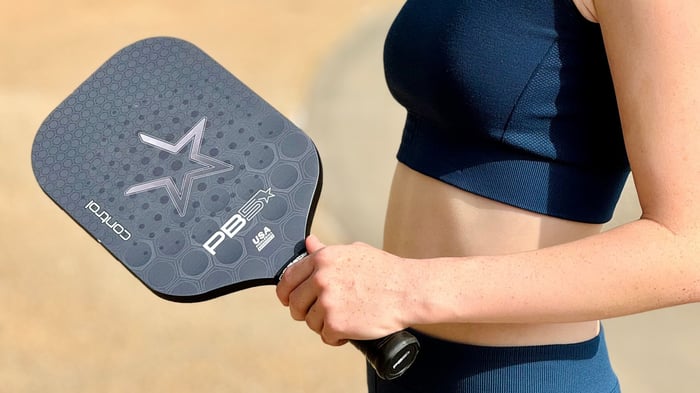
At PB5star, we honor this legacy by creating high-quality apparel and gear that enhances your pickleball experience, allowing you to feel confident and play your best. As we explore the fascinating journey of pickleball from its humble beginnings to its current popularity, we'll uncover how its rich history connects with the passion and innovation driving the sport forward.
Origins and pioneers of pickleball in 1965
Let's explore the fascinating beginnings of pickleball and the visionaries who brought this beloved sport to life.
Early History & Origins
Pickleball began as a spontaneous summer solution for family fun, but its development into a global sport traces back to creative improvisation and shared community values.
Who invented pickleball and why?
Pickleball was invented in 1965 by Joel Pritchard, Bill Bell, and Barney McCallum. The trio created the game to entertain their families during a summer vacation, combining elements of tennis, badminton, and table tennis to cure boredom and provide a fun activity for all ages.
Where did pickleball originate?
The game originated on Bainbridge Island, Washington, at the Pritchard family’s home. The first court was improvised using a lowered badminton net and a paved driveway surface, giving rise to the sport now known worldwide.
What materials were originally used to play pickleball?
The original pickleball equipment was a creative mix of household items. The inventors used ping-pong paddles, a perforated plastic ball similar to a Wiffle ball, and a lowered badminton net. This resourceful approach laid the foundation for the sport's accessibility and appeal.
How did pickleball get its unique name?
The origin of the name "pickleball" is debated, with two popular theories. One suggests it came from Joel Pritchard's wife, Joan, who likened the game to the "pickle boat" in crew races. The other claims it was named after the family dog, Pickles, who would chase after the ball during games.
Inventor & First Play
The first game of pickleball was casual, but its quick adoption among neighbors and families marked the beginning of a growing community.
Where and when was pickleball first played?
The first pickleball game took place in the summer of 1965 on Bainbridge Island, Washington, at the Pritchard family's home. The creators improvised a court by lowering a badminton net to 36 inches and using the existing asphalt surface, setting the stage for what would become a global phenomenon.
Who were the key pioneers in establishing pickleball as a sport?
While Joel Pritchard, Bill Bell, and Barney McCallum were the original inventors, many others helped grow the sport. Notable pioneers include Pritchard's neighbors who built the first permanent pickleball court in 1967, and the founders of the United States Amateur Pickleball Association in 1984, which officially organized the sport.
These early adopters and organizers played crucial roles in spreading pickleball beyond Washington state and establishing its rules and structure. Their contributions form a foundational part of pickleball history, shaping how the sport evolved in its early years.
Evolution of pickleball rules
As pickleball transitioned from a backyard game to a competitive sport, its rules underwent significant changes. Let's explore how these rules have evolved over time.
How have pickleball rules changed since the game's inception?
The rules of pickleball have evolved considerably since 1965. Initially, the game had loose guidelines, but as it gained popularity, formal rules were established to standardize play. These changes include the introduction of the non-volley zone (kitchen), serve regulations, and scoring systems—key developments in the ongoing history of pickleball.
What are some notable rule changes in pickleball's history?
One significant rule change was the introduction of the double-bounce rule, requiring the ball to bounce once on each side before volleys are allowed. Another important modification was the establishment of the non-volley zone, which prevents players from hitting volleys within 7 feet of the net, adding strategy to the game.
How has the scoring system in pickleball changed?
Originally, pickleball was played to 21 points, and teams could only score while serving. Modern pickleball has adopted a rally scoring system, where games are typically played to 11 points, and points can be scored by both serving and receiving teams. This change has made games faster-paced and more exciting.
Which organizations have shaped pickleball's rules?
The USA Pickleball Association (USAPA), founded in 1984, has been instrumental in developing and maintaining official rules. The International Federation of Pickleball (IFP) also plays a crucial role in standardizing rules globally. These organizations regularly review and update rules to improve gameplay and address emerging issues.
How do current rules promote fair play in pickleball?
Current pickleball rules emphasize fair play through consistent court dimensions, equipment specifications, and serve regulations. The non-volley zone and double-bounce rule create a balanced playing field for players of different physical abilities. At PB5star, we design our gear to complement these rules, helping players perform their best within the game's framework.

Key Milestones in Pickleball History
Pickleball's evolution from a backyard game to a recognized competitive sport includes several key turning points. These milestones helped shape how the game is played, promoted, and enjoyed across generations and continents.
When was the first official pickleball tournament held?
The first known pickleball tournament took place in 1976 at the South Center Athletic Club in Tukwila, Washington. Most of the participants were college tennis players who had only recently learned the game, marking pickleball’s early competitive debut.
When was the USA Pickleball founded?
The USA Pickleball, originally known as the United States Amateur Pickleball Association (USAPA), was established in 1984 to formalize rules and promote the sport nationally. Its creation marked a major step in organizing competitive play and providing structure to a rapidly growing player base.
When did pickleball get its first official rulebook?
Pickleball’s first official rulebook was published in 1984 by the USAPA. It included standardized court dimensions, scoring systems, and equipment guidelines that are still used—with updates—today.
When did pickleball become recognized internationally?
The International Federation of Pickleball (IFP) was formed in 2010 to promote global expansion. It introduced international tournaments and helped establish consistent rules across countries, broadening the sport’s global footprint.
Pickleball's Growth and Rise in Popularity
As pickleball continues to captivate players across the globe, let's explore the factors behind its remarkable rise and how it's shaping the sport's landscape.
When did pickleball become popular?
While it was created in 1965, pickleball began gaining widespread popularity in the 2000s and saw explosive growth in the 2020s. By 2023, it reached over 48 million players in the U.S., making it the fastest-growing sport in the country.
What has fueled pickleball's explosive growth in recent years?
Pickleball's accessibility, social nature, and ease of learning have contributed significantly to its popularity surge. The sport's appeal spans generations, with an estimated 48.3 million players in the United States in 2023, making it the fastest-growing sport in the country. Since the time when pickleball was created, its low-impact nature and quick learning curve have attracted players of all ages and fitness levels.
How has pickleball's demographic expanded over time?
While initially popular among older adults, pickleball has seen a surge in younger players and families joining the sport. This diversification has led to a more vibrant and competitive pickleball community, with players ranging from school-age children to active seniors. The sport's inclusive nature has helped bridge generational gaps and create a welcoming environment for all.
What role have tournaments played in pickleball's popularity?
Tournaments have been instrumental in elevating pickleball's profile and attracting new players. In 2023, USA Pickleball sanctioned 195 tournaments, including National Championships, which have drawn significant media attention and sponsorships. These events have not only showcased top talent but also inspired recreational players to improve their skills and engage more deeply with the sport.
How has pickleball's growth influenced equipment and apparel development?
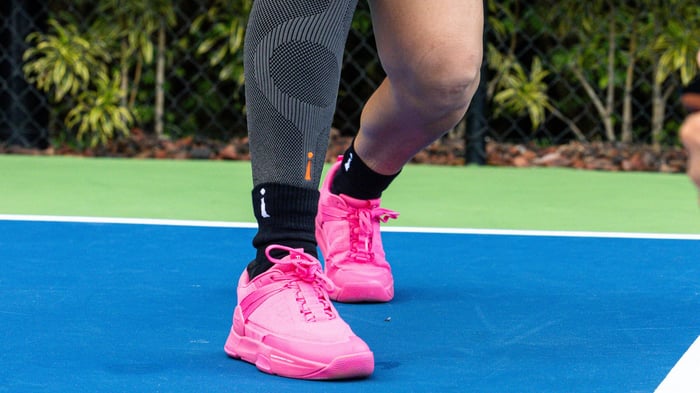
The surging popularity of pickleball has spurred innovation in gear and apparel design. The pickleball paddle market alone was estimated at $152.8 million in 2021, with projected growth of 7.7% annually through 2028. At PB5star, we're committed to meeting the evolving needs of players with our high-performance apparel and gear, and we're excited to announce that footwear specifically designed for pickleball will be joining our lineup soon.
The legacy and future of pickleball
The history of pickleball, from its humble beginnings in 1965 to its current status as one of the fastest-growing sports in the United States, is a testament to the game's enduring appeal and adaptability. The vision of Joel Pritchard, Bill Bell, and Barney McCallum in creating a family-friendly sport has blossomed into a global phenomenon that continues to evolve while staying true to its roots of accessibility and community.
At PB5star, we honor this rich heritage by crafting high-quality apparel and gear that enhances your pickleball experience. Our products, designed with performance-driven features like moisture-wicking fabrics and ergonomic designs, allow you to play your best while feeling confident on the court.
As pickleball continues to grow and evolve, we're committed to growing with it. We invite you to explore our collection and be part of the next chapter in pickleball's exciting journey. And keep an eye out for our upcoming pickleball footwear line, coming soon to complete your on-court look and performance.