Key Takeaways:
Pickleball is experiencing rapid global expansion, uniting players of all ages and backgrounds through its accessible rules and welcoming community.
International influences are transforming playing styles and strategies, making the sport more dynamic and culturally diverse.
Momentum is building for Olympic recognition, with unified governance and global participation paving the way for pickleball's inclusion on the world stage.
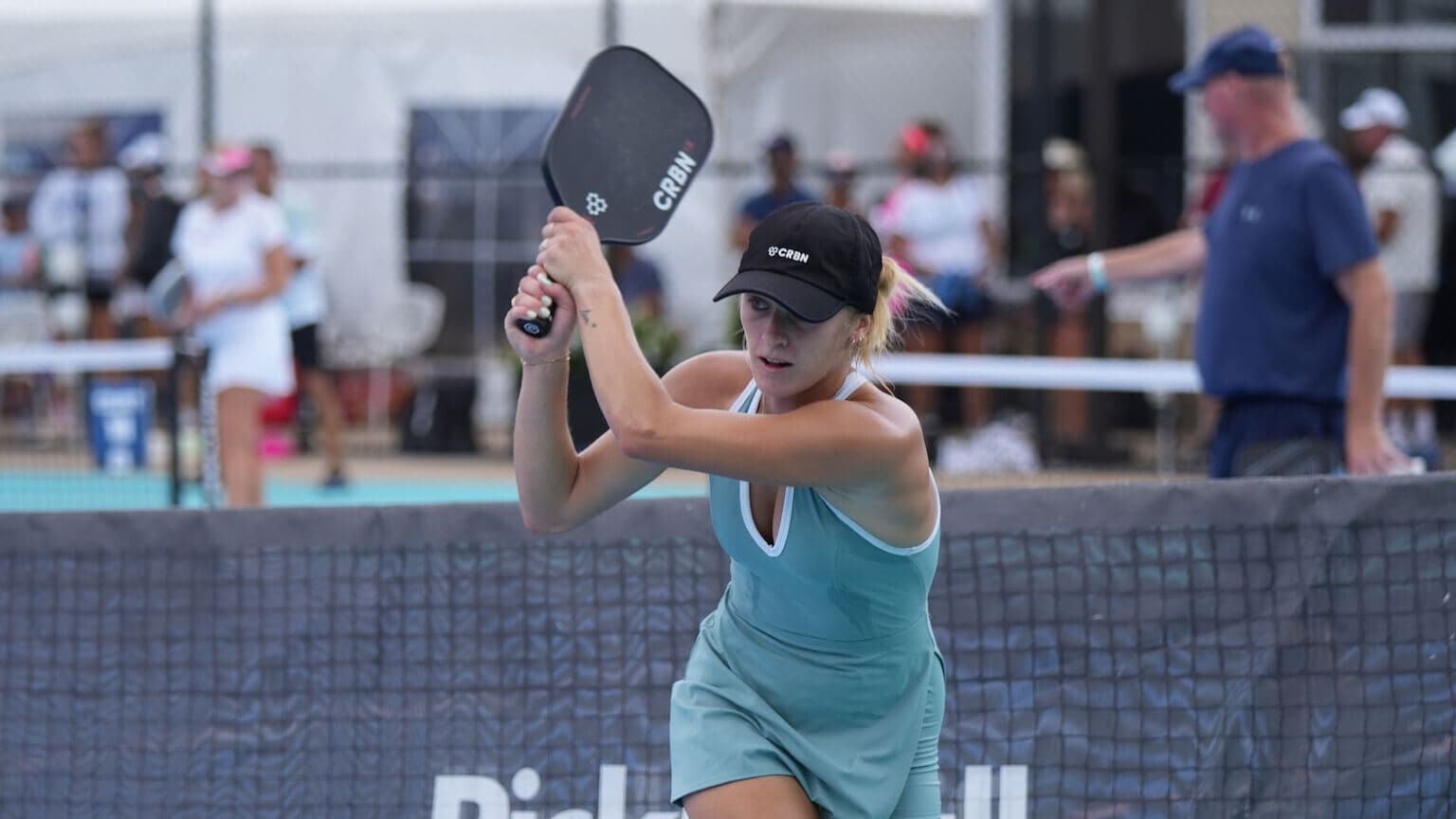
Last month, I stepped onto a court in Singapore and heard players chatting in three different languages between points, all united by the same familiar pop of paddle meeting ball. What struck me most wasn’t the skill level; it was watching a grandmother from Japan teaching her grandson the same third-shot drop I learned back home. That moment captured what I’ve seen across continents: pickleball has outgrown its backyard roots to become a truly international sport.
My belief in where this game is headed comes down to one simple truth: “I really do believe this will become an international sport globally.” Everywhere I travel, I see people of all ages picking up paddles for the first time, drawn in by the sport’s accessibility, its welcoming energy, and the sense that anyone, anywhere, can belong on the court. From Asia and Australia to communities across the U.S., each region adds its own style and creativity to the game, shaping pickleball’s next evolution.
Looking ahead, I see three powerful forces driving that growth: the universal accessibility that invites players of every background, the cultural influences that give each match a new flavor, and the growing momentum toward Olympic recognition.
Experiencing pickleball's global expansion firsthand
Traveling to compete internationally has given me a front-row seat to how rapidly pickleball is taking root across different continents. “A lot of people are showing interest at all levels,” and witnessing that enthusiasm firsthand has been incredible. What stands out most is how each region brings its own cultural flavor to the game. Players in Vietnam and Malaysia approach the sport with an energy that reminds me why I fell in love with pickleball in the first place.
The tournament scene has become a powerful catalyst for building these vibrant international communities. When I competed in events across Asia and Australia, I observed local players connecting not just with visiting professionals but with one another. These connections extend far beyond the tournament weekend, forming clubs and organizing regular play sessions that strengthen the local pickleball community.
Beyond the competitive aspect, what continues to amaze me about pickleball's global expansion is how the sport's inherent accessibility transcends cultural and geographic boundaries. Whether I'm playing with a 25-year-old software engineer in Singapore or a retired teacher in Melbourne, the game's easy learning curve and social nature create instant connections.

From local roots to global reach
Traveling through Asia to compete has given me a front-row seat to pickleball’s global rise. From the energy on the courts in Singapore to the growing local tournaments in Australia, I’ve seen how the sport has moved far beyond its North American beginnings. What I love most is watching how people everywhere make the game their own, bringing their culture, community, and spirit to every match.
The international growth:
Community courts are emerging in cities across Asia, often repurposed from underutilized tennis courts.
Regional tournaments are connecting players across borders, creating friendships that last long after the matches end.
Local brands and organizers are stepping in to support players with gear, events, and training opportunities that strengthen their communities.
The road to Olympic recognition
Having organized numerous local tournaments and watched our community grow from neighborhood courts to international stages, I've learned that the steps needed for pickleball to become an Olympic sport mirror what we do at the grassroots level, just on a much larger scale. The International Olympic Committee has specific requirements that build on the same community spirit we already know and love.
Key steps towards Olympic inclusion
Unify our global governance: The recent merger between major international federations represents a crucial step, as the IOC requires a single worldwide governing body that demonstrates democratic leadership and transparent accountability across all continents.
Reach specific participation goals: We need to hit clear targets, with men in 75+ countries across four continents and women in 40+ countries across three continents, which means providing focused support for communities in regions where pickleball is still taking root.
Build competitive infrastructure globally: This involves establishing standardized tournaments and training programs, certifying officials worldwide, and ensuring compliance with anti-doping codes, thereby creating structured international competition that builds upon our recreational foundation.
Demonstrate organizational capacity: The IOC wants to see that we can successfully host major international events, such as World Championships, demonstrating that our sport has the necessary governance, volunteer networks, and competitive depth to reach the Olympic stage.
How international influences are changing the game
The most fascinating aspect of competing internationally has been witnessing how players from different racket sport backgrounds are reshaping pickleball technique. When I played in Asia, I saw firsthand what professional player Zane Navratil observed during his time on the PPA Asia Tour: players bringing techniques from tennis, table tennis, badminton, and squash are creating hybrid playing styles that challenge traditional approaches. These innovations aren't just novelties; they're forcing all of us to expand our tactical understanding.
This technical evolution I've witnessed has made every match more unpredictable and dynamic. The traditional American power-based game that dominated early professional play is now just one approach among many. Players who grew up with badminton bring incredible net reflexes and well-placed drop shots. Those with table tennis backgrounds excel at spin variation and quick exchanges at the net.
What excites me most is how this evolution is happening at every level of play. Rather than feeling threatened by these changes, I've embraced them as part of what makes our sport so vibrant and community-driven. We're all students of the game, learning from each other regardless of where we come from.
My hopes for the future of pickleball, and our community's role
When I think about the future of pickleball, my vision is simple: I want to see our sport represented on the world’s biggest stage. The idea of athletes from every continent competing side by side, united by the same passion that began on neighborhood courts, feels both thrilling and possible. That dream, the Olympic stage, isn’t just about medals; it’s about celebrating the diversity and spirit that define this community.
What excites me most about pickleball’s global growth isn’t just how fast it’s expanding, but how it continues to carry its heart wherever it goes. From small-town parks to new courts in India and beyond, the same welcoming energy remains at the center. My greatest hope is that as we grow, we hold onto that inclusivity, the laughter between points, the friendships that form across generations, and the sense that everyone belongs the moment they pick up a paddle.
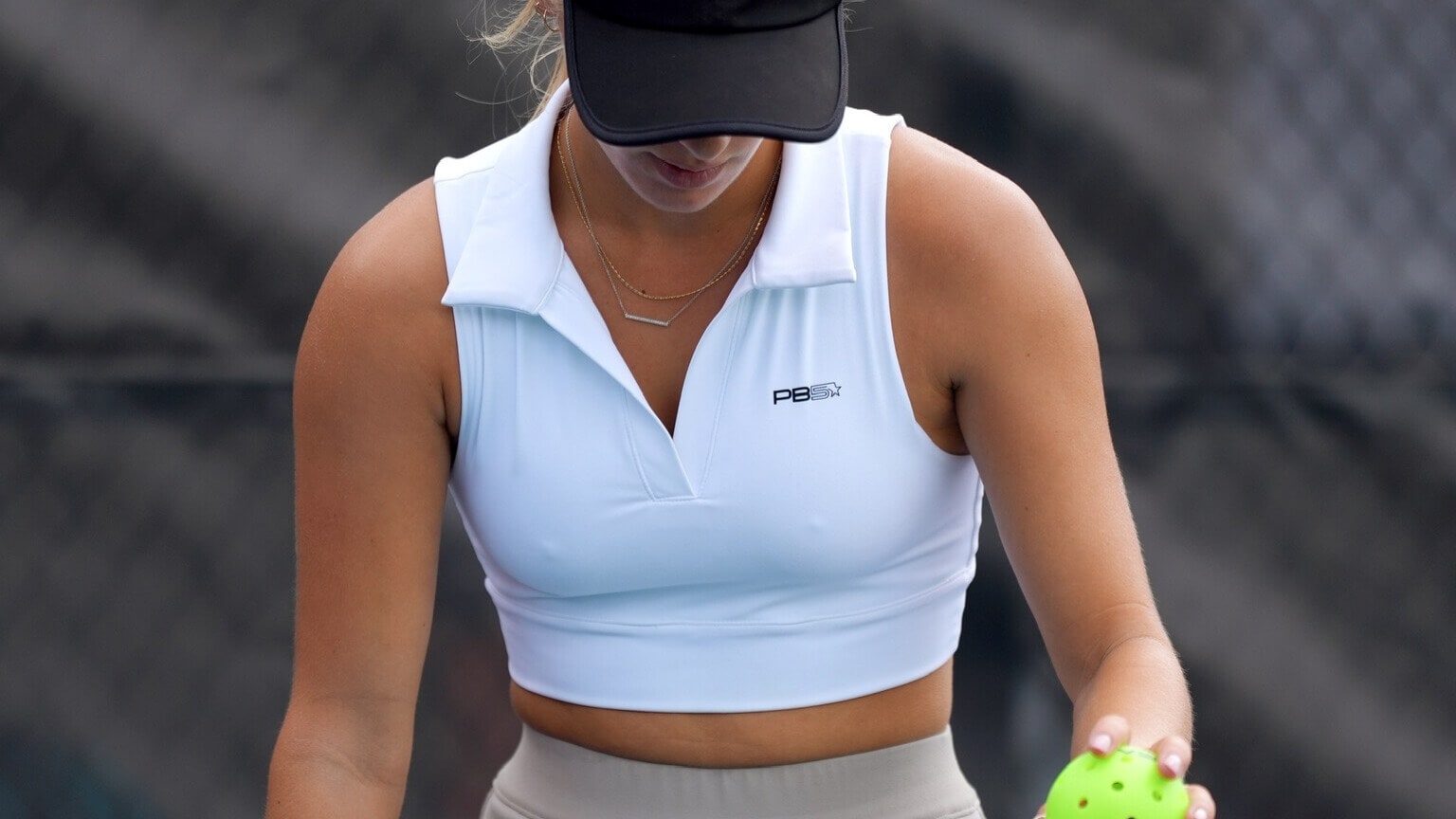
I’m proud to be part of PB5star, a brand that shares this vision for pickleball’s future. Whether you’re stepping onto your first court or competing at the professional level, you’re part of something bigger. Together, we’re laying the groundwork for pickleball’s bright future, and when that Olympic moment comes, every one of us will have helped make it happen.
FAQs
What are the primary reasons for pickleball's rapid global growth?
Pickleball's global growth can be attributed to its accessibility and community-driven nature, which enable players of all ages and backgrounds to engage with the sport easily. The simple rules and social environment make it appealing and inclusive, resulting in diverse international participation.
How is the game influenced by players from different cultures and racket sport backgrounds?
As players from various racket sports, such as tennis, badminton, and table tennis, engage in pickleball, they bring innovative techniques and styles that enrich the game's strategic dimensions. This blend of skills creates exciting and dynamic matches that expand beyond traditional approaches, fostering a community of learning and adaptation.
What are the key steps for pickleball to become an Olympic sport?
Key steps include unifying global governance with a single international federation, achieving specific participation goals across continents, building competitive infrastructure with standardized events, and proving organizational capacity through major international tournaments. These efforts mirror grassroots community building on a larger scale.
How are cultural influences reshaping competitive pickleball?
Cultural influences introduce diverse techniques and strategies that challenge conventional pickleball play. This results in a hybrid of playing styles that elevate the game's excitement and unpredictability, contributing to a richer, more dynamic experience for players at all levels.