
Key takeaways:
Winning in pickleball is more about tactical intelligence, mental resilience, and preparation than raw power; master these to outsmart your opponents.
Effective doubles play relies on seamless communication, smart positioning, and coordinated movement to dominate the court.
Advanced strategies, such as varying shot selection, mastering the third-shot drop, and maintaining mental focus, can give you the edge in competitive matches.
Winning pickleball strategies depend less on raw power and more on tactical intelligence, mental discipline, and smart preparation. The most successful players refine their ability to read positioning, anticipate movements, and execute game plans that consistently outperform opponents who rely solely on strength.
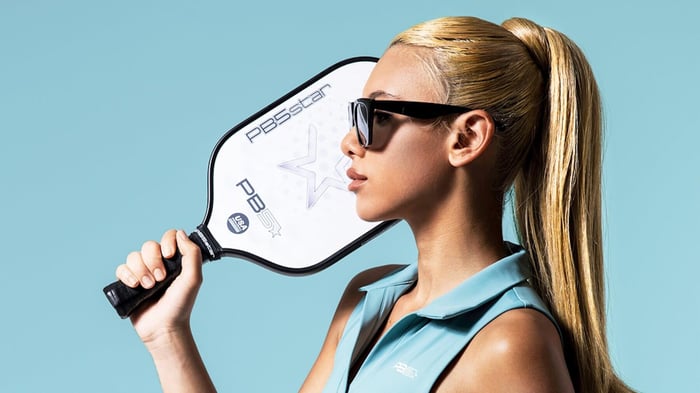
What separates champions from competitors is the mastery of advanced doubles tactics and resilience under pressure. Trusted by top-level players and coaches, these proven approaches equip you to outsmart opponents and turn every point into a strategic advantage. At PB5star, we provide performance-ready apparel designed to move with your game and give you the confidence to execute these strategies at your highest level.
Mastering doubles positioning
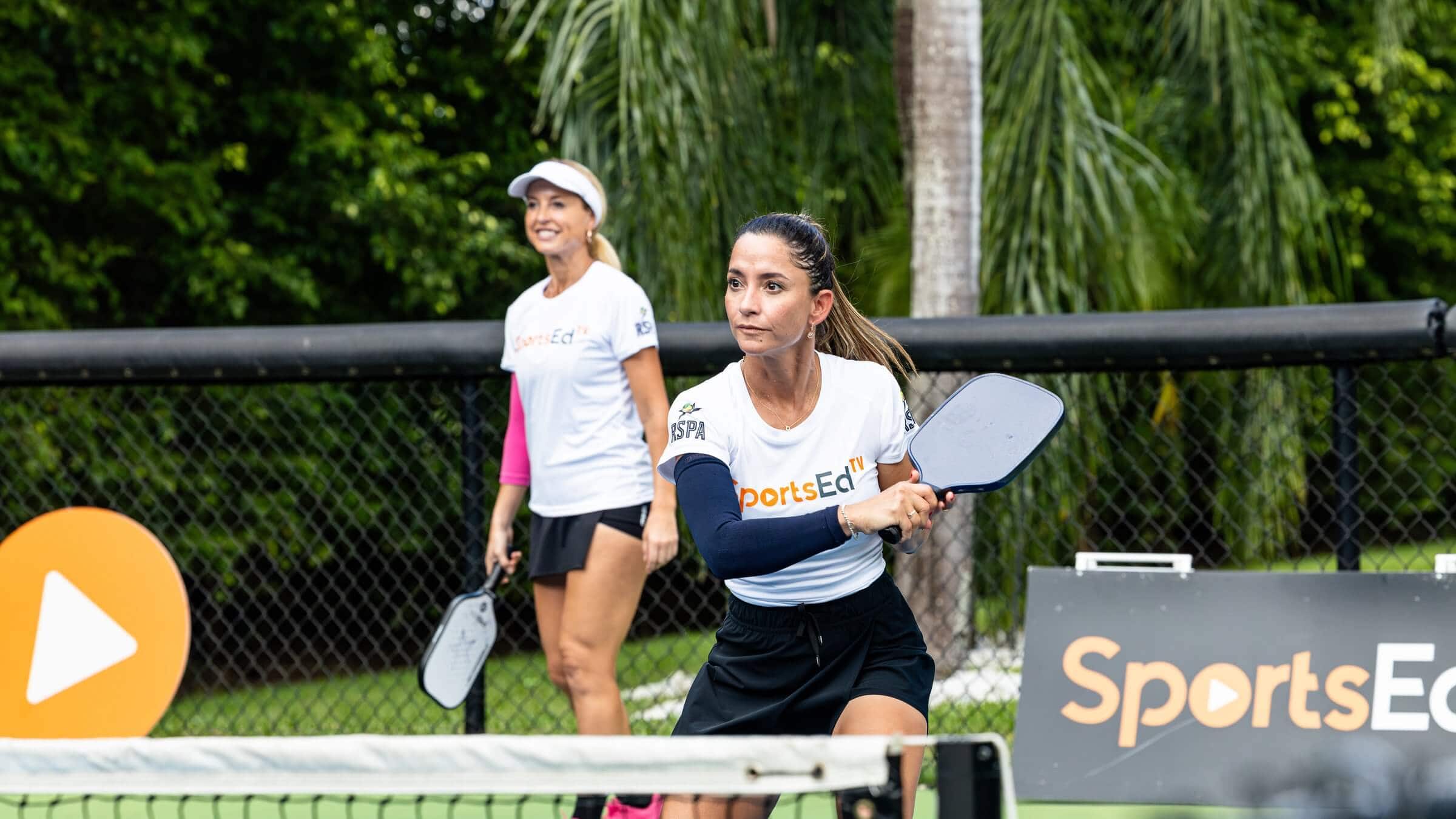
The foundation of effective doubles strategies in pickleball lies in seamless communication and intelligent court coverage, transforming two players into a unified force. Clear communication cuts through the chaos of fast-paced rallies, creating trust to execute advanced tactics. Proper placement allows players to cover weaknesses and transition quickly between defensive and offensive play.
Quick movement to the NVZ line increases control, allowing for better shot selection and pressure on opponents. Successful partnerships develop an intuitive understanding of each other's styles, anticipating movements to reduce errors and maintain optimal coverage throughout rallies.

Outsmarting opponents
These advanced pickleball tactics will help you think three moves ahead and keep your opponents constantly reacting to your game plan.
Vary your shot selection unpredictably: Mix dinks, drives, and strategic lobs within the same rally to prevent opponents from settling into a rhythm or anticipating your next move.
Master the third-shot drop: Use this transition shot to regain net control and force opponents out of their offensive positioning.
Read body language and paddle positions: Develop anticipation skills to predict incoming shots and position yourself advantageously before the ball is even struck.
Target the middle and exploit positioning gaps: Attack the space between opponents in doubles play, forcing communication breakdowns and awkward shot attempts.
Change pace intentionally within points: Alternate between fast drives and slow dinks to disrupt timing and create openings when opponents are caught between speeds.
Apply strategic spin variations: Use topspin drives when opponents are at the baseline to push them deeper, then immediately follow with backspin drops to pull them forward and create court positioning advantages.
By mixing pace, disguising shot selection, and reading subtle cues, you force opponents into constant adjustment while dictating the tempo of rallies. Players who commit to these approaches consistently turn matches in their favor, proving that the smartest competitor often outplays the strongest.
Staying focused and clutch in tight matches
Physical skills can only take you so far when the score gets close and every point matters. These mental techniques help you stay composed and perform your best during pressure-packed moments.
Pre-point routines: Develop consistent habits such as bouncing the ball twice or adjusting your grip to act as mental reset triggers before each serve.
Controlled breathing: Use box breathing (inhale for four counts, hold, exhale, hold) to calm nerves and maintain composure during crucial points.
Visualization: Mentally rehearse successful shots and outcomes before and during matches to build confidence when high stakes are high.
Energy awareness: Read your and your opponents’ energy levels, adjusting intensity and approach when momentum shifts in either direction.
Positive execution cues: Replace negative thoughts with specific focus phrases like “place it deep” instead of “don’t miss this shot” to maintain clarity.
Mental anchors: To stay grounded in match-defining moments, create centering tools such as positive self-talk phrases or small physical gestures.
Building a mental edge is about creating calm and control when pressure peaks. By combining structured routines with confidence-building techniques, you can keep your focus steady and make clutch decisions that swing tight matches in your favor. Players who master this mental discipline consistently compete and close out wins.
Adapting your strategy mid-match
The best competitors know that adjusting a pickleball game plan requires balancing confidence and adaptability. Smart players stick to their core strengths while making calculated tactical shifts, relying on observation and analysis rather than frustration.
Stay grounded in fundamentals: Avoid overhauling your entire approach after a few lost points. Keep your core strategies intact while making targeted, confident adjustments.
Disrupt opponent positioning: Switch return targets from crosscourt to down-the-line to throw off rhythm and push opponents out of their comfort zones.
Vary serve placement: Mix deep corner serves with short angled ones to keep receivers guessing and prevent them from locking into predictable patterns.
Adapt net play: If volleys aren’t creating enough pressure, change approach angles or add more aggression to force attacking opportunities.
Leverage timeouts and resets: Use timeouts or pauses between points to regroup mentally, communicate with your partner, and refine your tactical focus.
Analyze opponent tendencies: Watch for shot selection habits, preferred court positioning, and visible stress responses to make subtle but effective adjustments.
Play your best with winning pickleball strategies
Strategies that win matches require confident execution, and that confidence starts with knowing your gear supports every move you make. When your performance pickleball apparel moves seamlessly with your body during those lightning-quick lateral shifts and your footwear provides unwavering stability during aggressive net exchanges, you can focus entirely on outmaneuvering opponents and capitalizing on every opportunity.
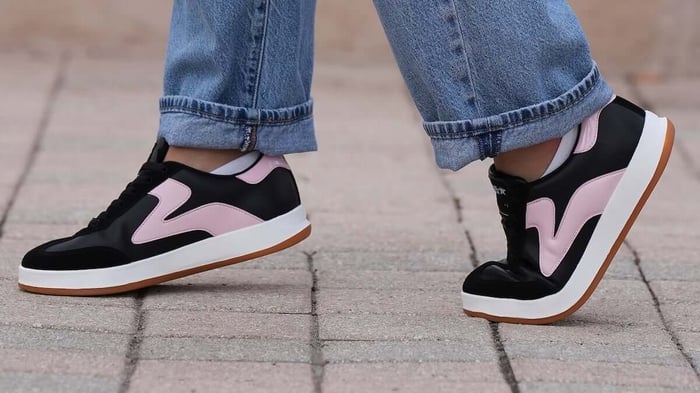
Our PB5 Court2 shoes feature Dynamic Stability Assist™ technology engineered explicitly for competitive pickleball demands. Paired with our performance-ready apparel designed for durability and comfort, you'll join a community that values standout play and style. At PB5star, we provide the complete collection of clothing and footwear designed to help you confidently dominate every match.
FAQs
What are the most effective ways to communicate with a doubles partner during a match?
Strong communication drives successful doubles partnerships and can make the difference in tight matches. Establish basic calls like "yours," "mine," and "switch" before the game, and use hand signals to indicate shot selection without alerting opponents. Good communication among partners can significantly reduce mistakes and increase your overall success rate during competitive play.
How can you quickly identify an opponent's weaknesses during a match?
Watch your opponents during warm-ups and the first few points to spot patterns in their movement, shot preferences, and court positioning. Pay attention to which shots they avoid, where they struggle with placement, and how they respond under pressure. Target these vulnerabilities consistently.
Which mental techniques help recover after losing a critical point?
Develop a brief reset routine that includes taking a deep breath, adjusting your strings or wiping your hands, and focusing on the next point rather than dwelling on mistakes. Use positive self-talk to reframe errors as learning opportunities and visualize successful shots before serving or returning. The key is having a consistent routine that helps you mentally move forward instead of carrying frustration into the next rally.
How do top players prepare their gear and apparel for tournament play?
Tournament preparation goes beyond just practicing shots; it includes ensuring your gear supports peak performance under pressure. Top competitors choose moisture-wicking apparel that moves with their body and footwear designed for quick lateral movements and court grip.