Key takeaways:
Learn to read your opponent's body language, including grip pressure, paddle angle, and weight distribution, to anticipate their next move and gain a competitive edge.
Master tactical patterns and mental preparation by recognizing shot sequences, paddle positioning cues, and court alignment to stay one step ahead during matches.
Strategic court positioning and partner coordination can help you exploit opponent weaknesses, predict their shots, and maintain control of the rally.
Read opponents' pickleball skills effectively, and you unlock one of the biggest competitive advantages in the game. While many players focus only on their own technique, the smartest competitors study grip changes, stance adjustments, and recurring shot patterns to anticipate plays before they happen. Recognizing weaknesses such as inconsistent shot execution or poor footwork allows you to make sharper tactical decisions and stay one step ahead.
The mental side of the game turns every rally into a battle of strategy, where anticipation is just as powerful as athletic ability. By learning to interpret subtle cues like paddle angles or footwork patterns, you can confidently position yourself to disrupt rallies and control points. At PB5star, we provide performance-ready apparel and gear designed to support this sharper style of play, helping you combine tactical awareness with equipment that keeps pace with your strategic growth.
Master body language
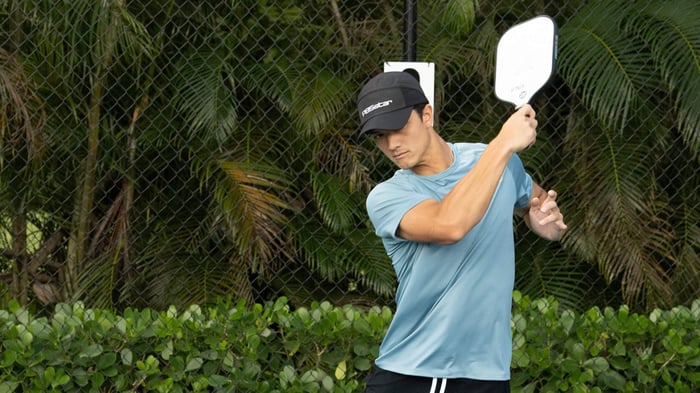
Your opponent's body tells a story before they strike the ball, and learning to read their body language can transform your competitive edge. Watch for subtle changes in grip pressure and paddle angle, as these often reveal shot intentions. Eye movement and weight distribution provide additional insights during rallies.
Practice with a partner to sharpen these observation skills by predicting shots based on pre-shot routines. Discuss which cues were most obvious or misleading. Start with exaggerated movements to build recognition, then work toward spotting subtle tells. This focused practice builds the real-time recognition skills that separate good players from those who consistently stay one step ahead.
Anticipate their next shot
The ability to anticipate an opponent's next shot in pickleball separates strategic players from reactive ones. By recognizing patterns and preparing mentally for various scenarios, you can position yourself to respond before your opponent even commits to their shot.
Track recurring shot sequences: If your opponent consistently follows deep returns with drop shots, move forward early to intercept their shot and maintain control of the rally.
Master the split-step timing: Use this fundamental footwork technique as your opponent makes contact. This allows you to react quickly to any direction while staying balanced and ready.
Read paddle positioning cues: Watch for paddle angles that are telegraph shot type; a downward angle often signals a drop or slice. At the same time, an open face typically indicates a softer shot or lob.
Study body alignment patterns: Players usually align their feet and hips parallel to their intended target, giving you advance notice of shot direction before they swing.
Practice mental rehearsal between points: Visualize specific scenarios like responding to a third-shot drive when you see your opponent's paddle drop low, building automatic responses that become second nature during fast exchanges.
Apply strategic shot placement: By targeting the two-thirds area of the court (the deeper portion away from the net), you can influence where your opponent returns the ball, making their next shot predictable up to 90% of the time and allowing you to develop superior anticipation skills.
Anticipation in pickleball is about more than quick reactions; it is the product of studying patterns, sharpening observation, and preparing mentally for what comes next. By combining technical awareness with deliberate mental rehearsal, you respond faster and take control of the rally before the ball even crosses the net.
Utilize strategic court positioning
Clever court positioning gives you the best vantage point to anticipate your opponent’s intentions and adapt your strategy as the rally unfolds. By combining careful observation with tactical movement, you can influence their shot selection and create openings for your own attacks.
Position to cut off options. If your opponent struggles with a backhand setup or is late to the ball, shade slightly toward that side. This forces them into lower-percentage shots while improving your angles for counterattacks. Watching their paddle face and body alignment also provides cues; an open paddle often signals a softer shot, while a closed paddle suggests aggression.
Exploit movement patterns. Pay attention to recurring habits like favoring the forehand or avoiding deep backhand corners. Confirm these tendencies by testing their weaker areas with targeted shots. Opponents slow to recover or frequently off-balance will default to predictable, safer plays you can anticipate and counter.
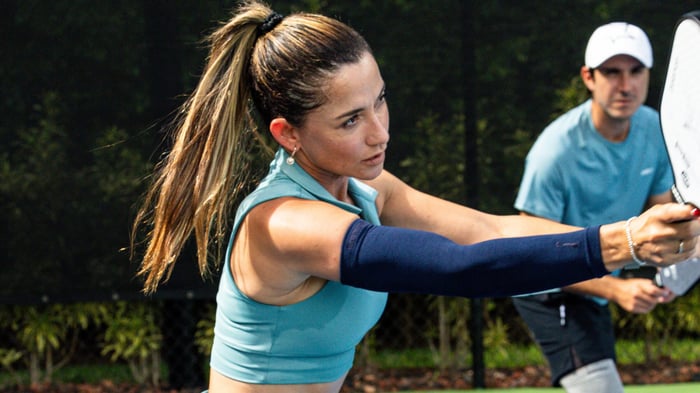
Coordinate with your partner. Turn observations into a shared strategy using quick hand signals or brief verbal cues. Adjust your positioning to cover gaps or set up the counter if your partner spots a tendency, like consistent cross-court shots or trouble with low balls. This teamwork ensures pressure stays on your opponents while minimizing openings in your defense.
Court positioning can shape rallies by reading subtle signals, testing vulnerabilities, and working in sync with your partner. When done well, it transforms defense into opportunity, community, and strategy into control.

Learn advanced signals
The signals experienced pickleball players watch go beyond basic body language to include micro-adjustments that reveal strategic shifts before they happen. These subtle cues give competitive players the edge they're looking for, building on the foundational observation skills to read opponents at the highest level.
Monitor grip transitions during rallies: Watch for switches from eastern to continental grip positions, which often signal a change from power shots to finesse play or slice attempts that require different court positioning.
Detect rhythm disruptions and tempo changes: Notice when opponents rush their serves or take shorter pauses between points. These changes in their routine often indicate nerves or tactical adjustments that you can exploit by resetting the pace with controlled shots.
Read paddle contact point variations: A high contact point usually indicates an aggressive shot, while a low contact point suggests defensive play. You can move forward for defensive returns or stay back for aggressive shots.
Counter their tactical adjustments with opposite energy: When opponents speed up their play, or show aggressive body language, respond with deliberate dinks and soft shots to disrupt their rhythm and force them back into your preferred tempo.
Watch for pre-shot preparation rituals: Players often develop consistent routines before specific shots, such as adjusting their stance wider for power shots or taking an extra bounce before serves, warning you of their intentions.
Identify fatigue and frustration markers: Late-match cues like slower movement to the ready position or rushed shot preparation indicate declining performance, creating opportunities to increase pressure and capitalize on their weakening game.
The ability to notice and interpret advanced signals separates experienced competitors from players who only react to the obvious. By tuning into grip changes, tempo shifts, and subtle pre-shot routines, you gain a deeper insight that allows you to dictate rallies instead of merely responding to them.
Play with confidence and adapt effortlessly
Reading opponents and adapting your strategy transforms good players into skilled competitors who earn recognition on the court. Performance-driven pickleball apparel becomes your strategic advantage when you've mastered these mental tactics. Our gear is designed for players who understand that success comes from both mental preparation and physical readiness.
The pickleball community continues to grow, with player numbers expected to expand rapidly, creating more opportunities to test and refine your opponent-reading skills against diverse playing styles. When you join our community, you connect with enthusiasts who share your commitment to strategic improvement and lasting friendships on the court. At PB5star, we provide the gear and support that help you sharpen tactical awareness, build confidence, and elevate your game every time you step onto the court.
FAQs
How do you read your opponent's body language in pickleball?
Focus on grip changes, weight distribution, and paddle positioning before each shot. When players shift their weight forward or tighten their grip, they're often preparing for a power shot, while a relaxed stance with the paddle held lower typically signals a soft shot or drop. Watch your opponent's eyes and shoulders as well; they usually show where they plan to hit.
What are the best ways to anticipate your opponent's next shot?
Track patterns in their shot choices and observe their court positioning relative to the ball. Players who consistently favor certain shots after specific setups become predictable. For example, many players automatically hit cross-court when pulled wide to their forehand side. Recognizing these patterns allows you to position yourself advantageously before they even make contact with the ball.
How can court positioning help you predict your opponent's strategy?
Your positioning influences where opponents can realistically place their shots, giving you control over their options. By understanding how players naturally move and where they can hit from their position, you can predict with 80-90% accuracy where the ball will go based on your opponent's position and the shot you just hit. Strategic positioning also forces opponents into uncomfortable situations where their shot selection becomes limited and predictable.
What signals do experienced players watch for during a match?
Advanced players notice subtle changes in rhythm, grip adjustments, and pre-shot routines that indicate tactical shifts. A sudden change in serving pace, switching paddle grips between points, or altered footwork patterns often signal that opponents adjust their strategy or feel pressure. These players also watch for fatigue indicators like slower recovery to the ready position or decreased paddle preparation time.