Key takeaways:
Mastering tactical moves like the third shot drop, dinking, and court positioning can transform your pickleball game from reactive to proactive, giving you a strategic edge over opponents.
The right gear, including performance-ready apparel and pickleball-specific footwear, enhances your ability to execute advanced strategies confidently and precisely.
Effective communication and mental preparation are essential for implementing smart tactics, whether you're playing singles or doubles, ensuring seamless teamwork and adaptability under pressure.
Pickleball tactical moves separate good players from great ones, transforming raw power into strategy, patience, and precise execution. The strongest competitors think several shots ahead, using awareness and positioning to turn defense into offense and create opportunities where none existed before. Strategic play becomes even more effective when the right preparation and gear are supported.
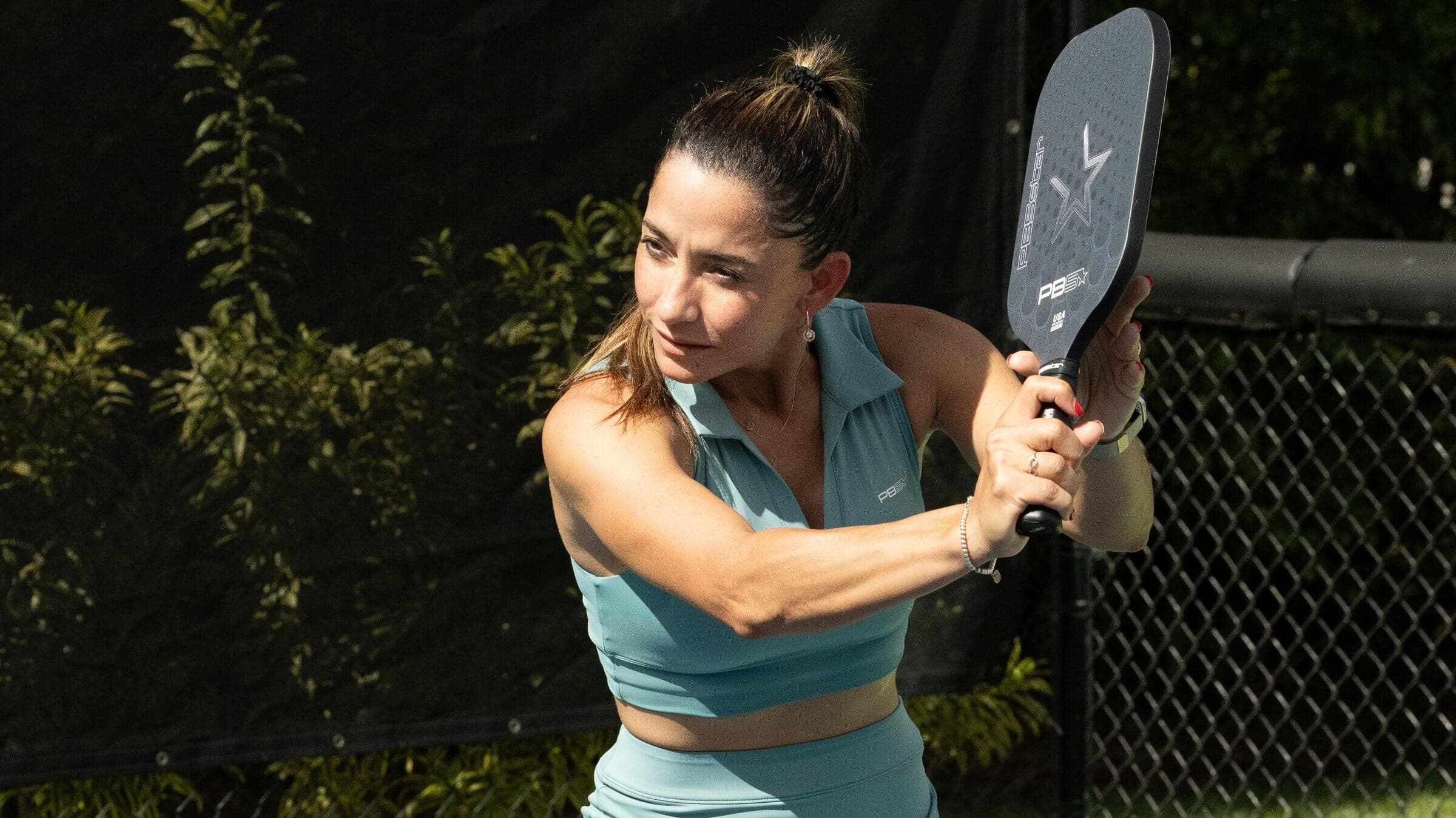
Every shot serves a purpose, every position carries weight, and the right equipment enhances your ability to perform under pressure. At PB5star, we know that superior tactics require superior support, which is why our performance-ready gear is designed to match the precision and focus of your strategic game.
1. The third shot drop for control
The third shot drop shifts you from a defensive player stuck at the baseline into an offensive threat at the net. This soft, arcing shot lands gently in your opponent's non-volley zone, forcing them to hit up on the ball rather than attacking downward. When executed correctly, the third shot drop allows a team to shift from a defensive to an offensive position on the court, which becomes the foundation for winning points in competitive play.
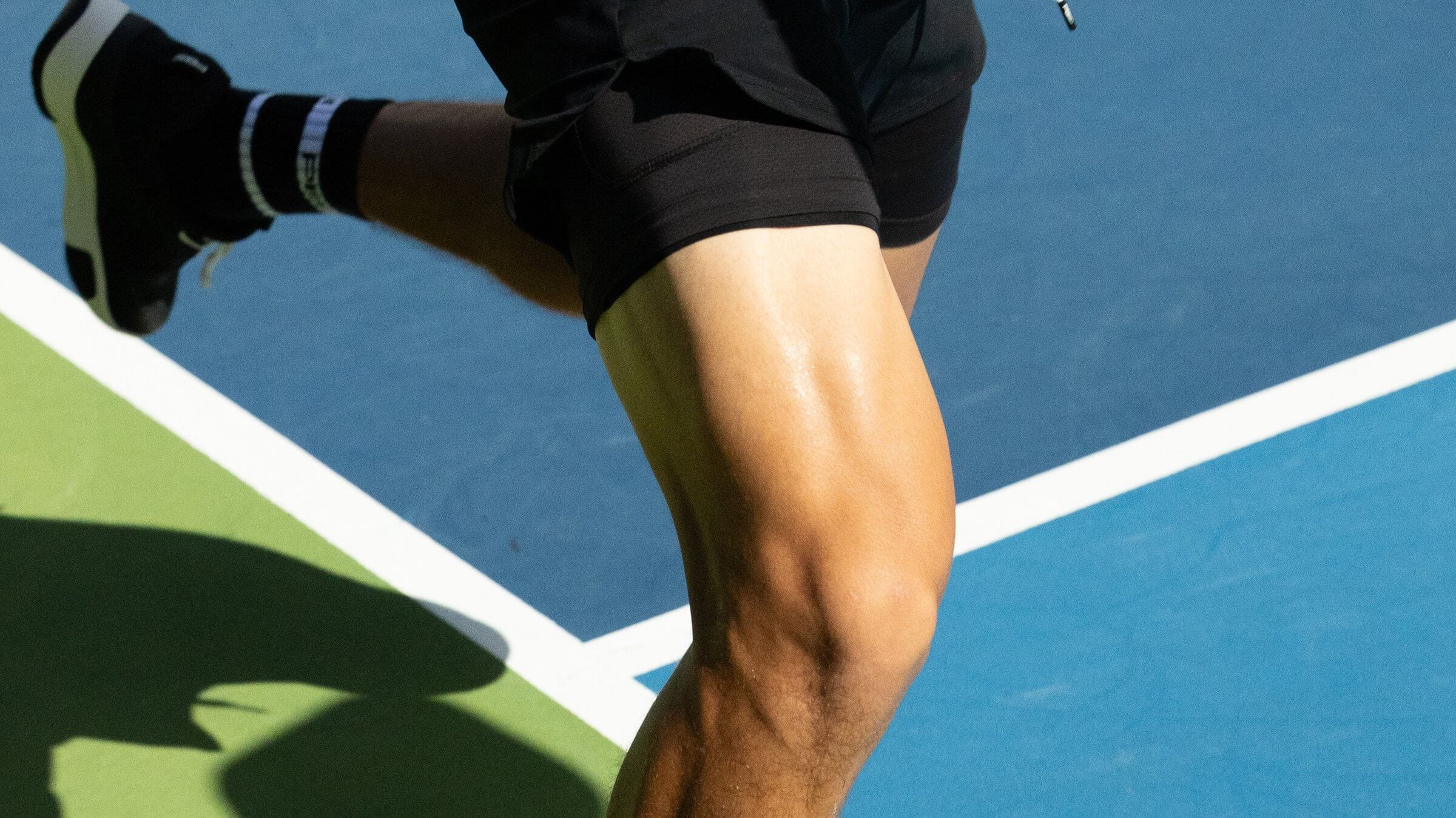
To execute this tactical move at your highest level, your gear must work with you, not against you. When your feet feel planted and your movement feels natural, you can dedicate your full attention to the precision and timing that make this shot devastatingly effective against aggressive opponents. During your training sessions, purposeful practice should emphasize placement and touch rather than speed.
2. Dinking strategy to force errors
A well-executed dinking strategy keeps rallies low and controlled, pressuring opponents into mistakes. Consistent dinks from the non-volley zone engage opponents in longer rallies, building their frustration and deteriorating precision. Cross-court dinking offers an advantage by hitting over the lowest part of the net, reducing errors while creating challenging angles.
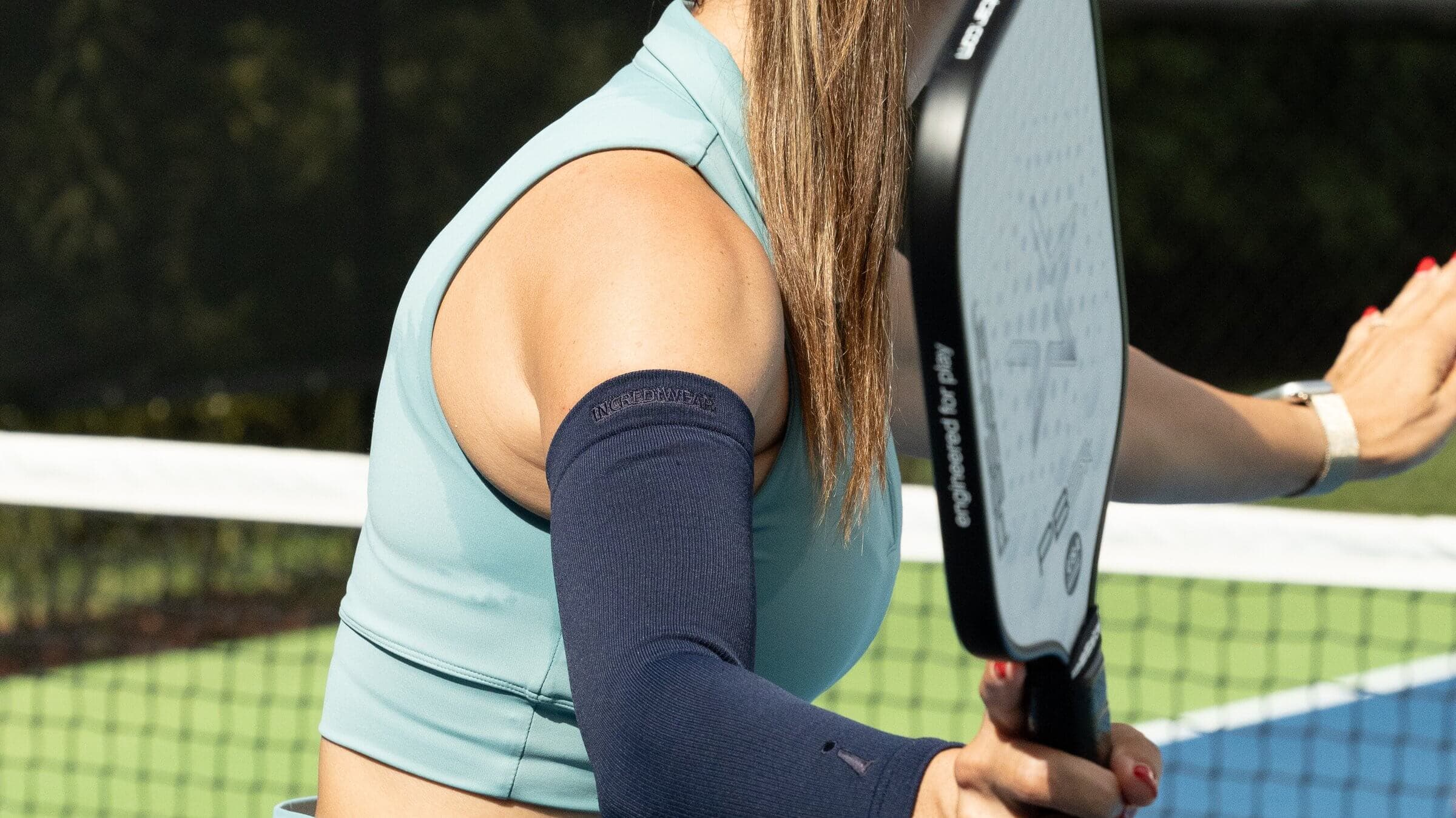
The mental game is as crucial as physical execution in dinking strategy. Varying your dink placement disrupts your opponent's rhythm, while footwork is essential for precision. Stay light on your feet and maintain proper positioning. Wearing lightweight, breathable apparel enhances focus during long rallies, allowing you to wait for the perfect moment to transition from defense to offense.
3. Court positioning for better angles
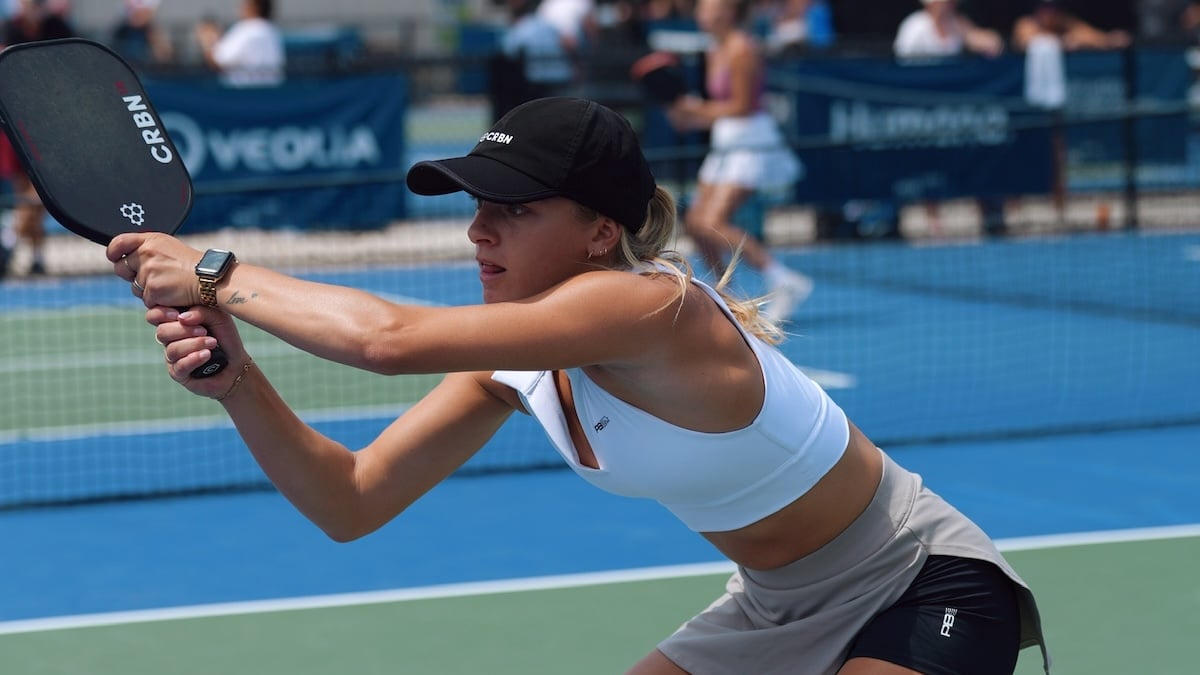
Smart court placement transforms good players into strategic threats by creating offensive opportunities while limiting rivals' options. Positioning yourself correctly allows you to hit the ball diagonally, forcing opponents to move laterally and opening up areas they can't cover effectively. Understanding that most points are won at the kitchen line makes your placement relative to the non-volley zone a game-changing factor in competitive play.
Your ability to stay balanced and adjust quickly after each shot separates tactical players from reactive ones. After hitting any shot, assess where the other team will likely return the ball and move accordingly. This proactive approach means you're shifting to the optimal spot while rivals still decide where to hit. Quick lateral movement and explosive placement changes demand proper footwear that can handle the court's demands, allowing you to focus on executing your strategic plan.
4. Stacking formation for matchup advantages
The stacking formation allows players to start on the same side of the court and quickly shift to optimal positions after the serve or return. This strategy keeps your strongest player in their best spot while creating favorable matchups. Professional players like Simone Jardim utilize this tactic effectively, demonstrating how top players optimize court positioning.
Stacking also positions a strong forehand player in the middle, enhancing poaching opportunities and controlling the court's center. This formation can confuse opponents expecting traditional setups, but it requires clear communication between partners to avoid gaps in coverage. Rapid position changes necessitate performance-ready gear that allows freedom of movement, ensuring focus and comfort during transitions.

5. Poaching technique to surprise your rivals
Poaching in doubles pickleball involves crossing into your partner's territory to intercept a shot aimed at them. This aggressive tactic can catch opponents off guard and shift rally momentum quickly. Successful poaching requires reading your opponent's body language and paddle position before they hit the ball. When you notice an opponent preparing for a cross-court shot or appearing off balance, it's time to move toward the center line.
Timing is crucial for effective poaching; poorly timed attempts can leave your side vulnerable. Effective poaching applies more pressure than your partner could from their position. Look for moments when your opponent is defensive, or their shot selection is predictable. Clear communication with your partner, like a quick "mine" or "switch," prevents confusion and ensures coordinated movement.
6. Resetting the point under pressure
When aggressive opponents hammer drives and volleys at you, resetting the point becomes your tactical lifeline. This move transforms chaotic exchanges into measured rallies by neutralizing your opponent's attack with deliberate, gentle shots. Resets are effective when attacked with fast-paced drives or aggressive volleys, especially from the transition zone or baseline.
While technical execution is crucial, successful resets also demand mental composure and physical stability. When facing aggressive shots, your mind can spiral into panic, but maintaining focus on measured responses keeps you in the rally. Your footwork becomes critical, as you need stable positioning to execute soft shots while potentially moving backward or sideways.
7. Communicating with your partner for seamless teamwork
Strong communication with your partner turns a doubles team from simply coordinated to truly competitive. Clear, consistent cues, whether it’s calling “mine,” “yours,” or “switch” during fast-paced rallies, help prevent confusion and keep both players in optimal position. Beyond verbal calls, many advanced teams rely on non-verbal signals to devise strategies like poaching or stacking without tipping off opponents.
Effective communication also extends beyond the match itself. Pre-game discussions about strengths, preferred court zones, and specific roles build confidence and allow partners to focus on execution. Post-game debriefs reinforce teamwork by highlighting what worked and what needs improvement, strengthening chemistry over time.
Play smarter and join the PB5star community
Pickleball tactical moves become most effective when paired with gear designed for the game’s unique demands. Performance-ready apparel supports fluid movement during extended rallies, while specialized footwear provides the stability and traction needed for quick pivots, poaches, and precise court positioning. With the right support, you can focus entirely on executing your strategies confidently.
At PB5star, our PB5 Court2 shoes with Dynamic Stability Assist™ technology and premium apparel collections are built to enhance performance, comfort, and consistency on the court. Combining smart tactics with purpose-built gear will unlock the competitive edge that sets winning players apart.
FAQs
How do I choose which tactical move to use in a match?
Watch how your opponent moves and reacts, then select moves that exploit their weaknesses or disrupt their rhythm. If they struggle with low shots, focus on dinking and third shot drops; if they're uncomfortable at the net, use lobs and deep shots to keep them back. Take a systematic approach to gathering data about their playing style throughout the match, then adjust your game plan accordingly.
What are the best drills for improving tactical awareness?
Targeted drills like the '7-11' drill can improve your rhythm and shot accuracy while building strategic decision-making skills. Practice situational drills that simulate match conditions, such as defending against aggressive attacks or transitioning from baseline to net play. Creating a structured practice routine with focused skill work and pressure game simulations will sharpen your strategic instincts, and practicing with others in your community provides valuable feedback on your tactical development.
How can I adapt tactics for singles versus doubles play?
Singles requires more court coverage and endurance, so focus on controlling the centerline and using strategic shot placement to move your opponent around the court. Doubles emphasizes teamwork and communication, with smart play like stacking formations and coordinated poaching becoming more critical.
How do I recover when my tactics aren't working?
Reset your approach by returning to basic, high-percentage shots and observing your opponent's adjustments before trying new strategies. Sometimes the best recovery is slowing down the pace with controlled dinks and resets, giving yourself time to reassess the match situation.