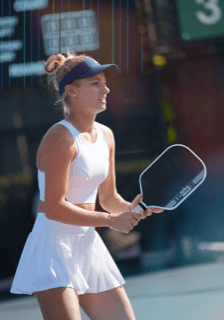
Key takeaways:
- A balanced training and recovery routine, built on consistency, adaptability, and listening to your body, is key to sustainable high performance in pickleball.
- Pro-level recovery tools like cold plunges and red light therapy can enhance performance, but fundamentals like sleep, hydration, and stretching are essential for players at every level.
- Adapting your routine for tournament play and learning to adjust based on your body's feedback helps prevent injury and ensures peak performance when it matters most.
While most people are reaching for their first cup of coffee in the morning, I'm already lacing up my shoes for two hours of intense drilling on the court. After years of competing professionally, I've learned that the difference between good and great isn't just talent; it's the daily commitment to both pushing your limits and knowing when to pull back.
As a professional pickleball player, people often ask me what my training and recovery routine actually looks like beyond the tournament highlights. The reality is that sustainable high performance requires a holistic approach that integrates court-specific drills with strategic cross-training, targeted recovery methods, and the flexibility to adapt when tournaments demand different approaches.
In the following sections, I'll break down my specific daily structure: from my morning drilling sessions and strength training blocks to my evening recovery protocols.

My Daily Training Routine: Court Time, Gym, and Cross-Training
My alarm goes off at 6 AM, and I'm on the court by 7. That early morning energy sets the tone for everything that follows. When people ask me what does a pro pickleball player's daily training schedule look like, I always emphasize that it's built on intentional blocks of focused work rather than just logging hours.
- Court sessions dominate my day: I spend at least two hours each morning on drilling and footwork, followed by another two-hour practice session in the afternoon during home training blocks, focusing on everything from groundstroke consistency to match simulation.
- Strength training happens three to five times weekly: My gym sessions target the rotational power and lateral movement that translate directly to court performance, with compound lifts, plyometrics, and sport-specific exercises that build the explosive strength pickleball demands.
- Pilates anchors my flexibility and injury prevention: In addition to regular workouts, I add in Pilates once a week, and I make sure that I prioritize stretching or yoga just to keep my body healthy and recovered.
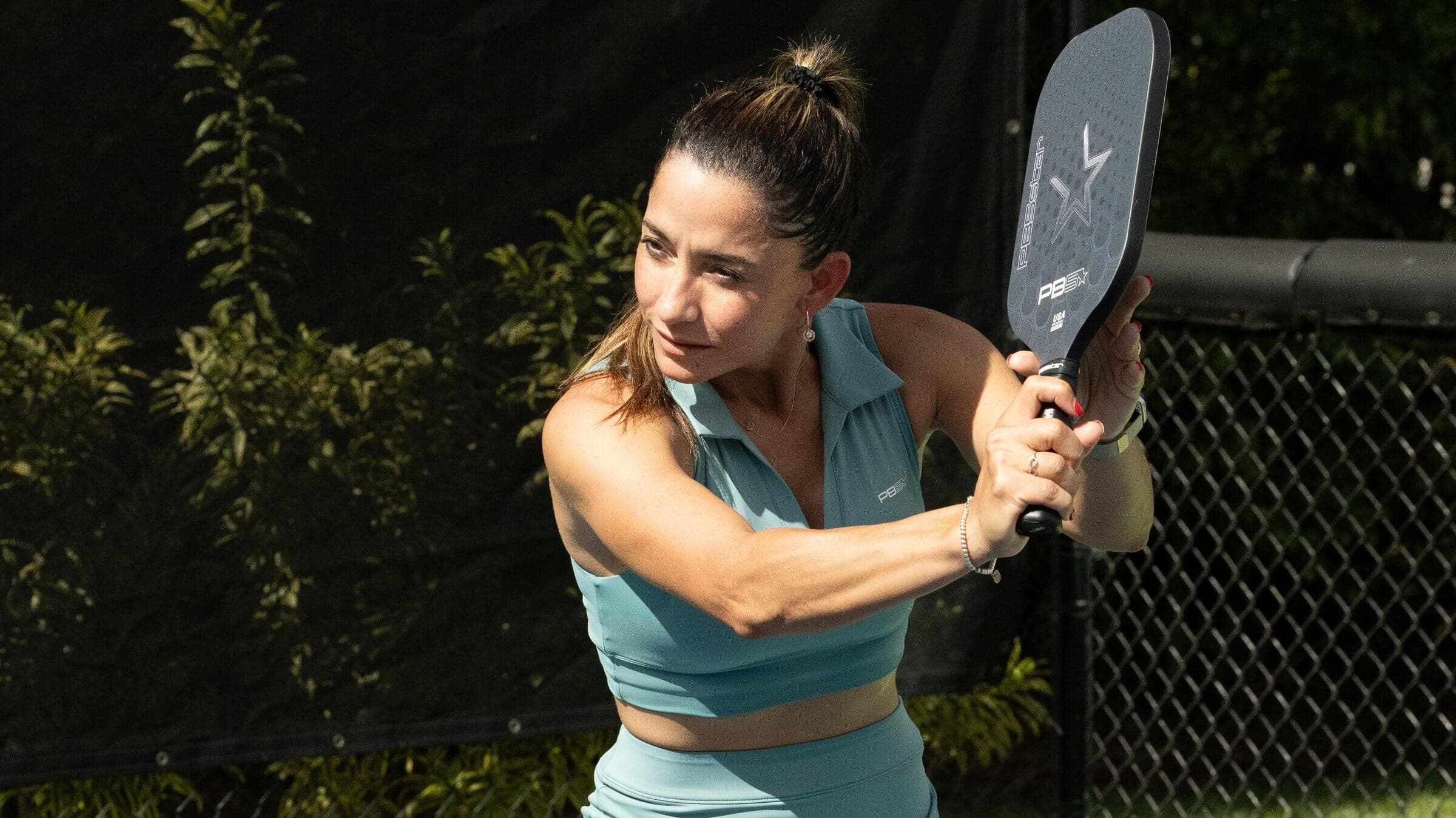
- Quality gear supports every session: Wearing apparel that moves with me and keeps me comfortable allows me to focus entirely on training, whether I'm grinding through morning drills or pushing through an intense cross-training workout.
Recovery Strategies: Cold Plunges, Red Light Therapy, and Listening to My Body
After a grueling three-match day at nationals last month, I could barely walk up the hotel stairs. That's when my recovery routine proved its worth. Within 24 hours, I was moving freely and ready for the next round. Recovery isn't just about rest days; it's about actively supporting my body's ability to perform at a tournament level day after day.
I've built a home setup that includes cold plunges and red light therapy, which have become essential tools for maintaining peak performance, especially after long travel days or particularly demanding matches. The science behind red light therapy shows it can reduce inflammation and speed muscle repair when used consistently.
Here's how I structure my daily recovery approach:
- Cold plunge sessions immediately after intense training or matches to reduce inflammation and muscle soreness, typically 3-5 minutes in 50°F water.
- Red light therapy panels for 15-20 minutes daily, targeting areas that feel tight or overworked from the previous day's training.
- Dynamic stretching and mobility work every morning, adjusting the intensity and focus areas based on what my body is telling me that day.
- Strategic rest periods between training blocks, using active recovery like light walks or gentle movement rather than complete inactivity.
The key is consistency without rigidity. I think listening to my body is the most important. If I'm feeling tired, I rest; if my body is sore, I stretch; if I'm feeling ready to go, I make sure I put in hard work.
This approach has allowed me to maintain peak performance even during tournament weeks with multiple matches. Learning to listen to your body becomes just as important as any piece of equipment in your training arsenal.
Adapting My Routine for Tournament Play
When I have a tournament coming up, I completely shift my approach about two weeks out. Tournament preparation requires reducing my training volume by roughly 50-60%, which means fewer intense gym sessions and shorter court practices, but I keep the quality high.
Research shows that optimal tapering typically involves reducing training volume by 40-70% while maintaining intensity, and I've found this sweet spot works perfectly for pickleball. The goal is to arrive fresh and injury-free, especially since studies indicate that playing frequently increases injury risk by 45%. I prioritize stretching, light movement, and my recovery tools during this phase rather than pushing through heavy workouts.
During multi-day tournaments, flexibility becomes everything. I can't stick to my normal routine when I'm playing back-to-back matches, so I focus on what I can control between games. This means quick recovery strategies like targeted stretching, staying hydrated, and getting the right nutrition timing. I've learned to read my body's signals - if my legs feel heavy after the first day, I might skip my usual morning movement routine and opt for gentle stretching instead. The post-game recovery window is crucial, so I make sure to cool down properly and refuel within 30 minutes of each match.
Essential Recovery Tips for Every Pickleball Player
While my routine as a pro might seem comprehensive, the most effective pickleball recovery tips are actually simple fundamentals that work for players at every level. These core practices form the foundation of staying healthy and playing your best, whether you're just starting out or competing in tournaments.
- Prioritize sleep as your primary recovery tool - Aim for 7-9 hours nightly to support muscle repair and mental sharpness, as research shows that poor sleep affects the majority of athletes and directly impacts performance and recovery.
- Build consistent warm-up and cool-down routines - Spend 5-10 minutes with dynamic movements before play and gentle stretching afterward to prepare your body and support long-term joint health, following proven injury prevention strategies.
- Stay hydrated and stretch regularly - Keep water close during play and dedicate time to stretching key muscle groups, especially your shoulders, calves, and hamstrings, which take the most stress during pickleball, as outlined in these health tips for players.
- Listen to your body and adjust accordingly - As sports medicine experts emphasize, persistent pain signals that something needs attention, so modify your training intensity and seek help when needed rather than pushing through discomfort.