Key Takeaways:
Targeted practice with specific drills and a growth mindset accelerates skill development and helps players transition from recreational to competitive levels.
Mental toughness, including pre-point routines, positive self-talk, and high-pressure practice scenarios, is a critical factor separating good players from great ones.
Advanced doubles strategies, such as synchronized movement, stacking, and clear communication, are essential for dominating competitive matches.
Pickleball coaching secrets reveal top instructors' methods to transform good players into great ones. Rather than focusing only on playing more games, these proven approaches emphasize targeted drills, technical precision, and mental strategies that accelerate improvement. The best coaches understand that rapid skill development requires a strategic approach combining technical precision, mental fortitude, and the right training environment.
The most effective coaching frameworks combine skill development, resilience under pressure, and supportive training environments that help players thrive. Confidence plays a central role in performance, which is why preparation includes the proper drills and the right gear. At PB5star, we design performance-ready apparel and footwear that allow players to train smarter, feel confident, and focus entirely on perfecting their game.
The coaching mindset: foundations for rapid improvement
The most successful pickleball coaches understand that developing a growth mindset is essential for mastery. This philosophy emphasizes that abilities can be cultivated through dedication and hard work. Coaches who instill this mindset create environments where setbacks are viewed as learning opportunities. Competitors embracing this approach recover faster from losses, using mistakes as data for improvement.
Creating supportive yet competitive environments is crucial for fostering confidence and consistency. When athletes feel encouraged to take risks, they develop the mental resilience needed for competition. The right training environment and performance-ready gear allow players to focus on skill development without worrying about equipment limitations.

Essential drills for skill mastery and consistency
Top coaches know that effective pickleball drills create the foundation for competitive success. Rather than random practice sessions, they design targeted training that addresses specific weaknesses while building muscle memory for high-pressure situations. Here are the game-changing drills that competitive players swear by:
Perfect the third shot drop: Practice dropping balls from the baseline into the kitchen zone with consistent arc and placement, focusing on gentle touch and controlled follow-through to neutralize aggressive opponents.
Engage in dink battle competitions: Set up cross-court and straight-ahead dinking rallies with point-based scoring systems, building patience and precision while improving footwork for better court positioning.
Perfect the renowned 7-11 Drill technique: This community-favorite drill emphasizes shot placement and consistency, helping players develop the control needed for competitive matches.
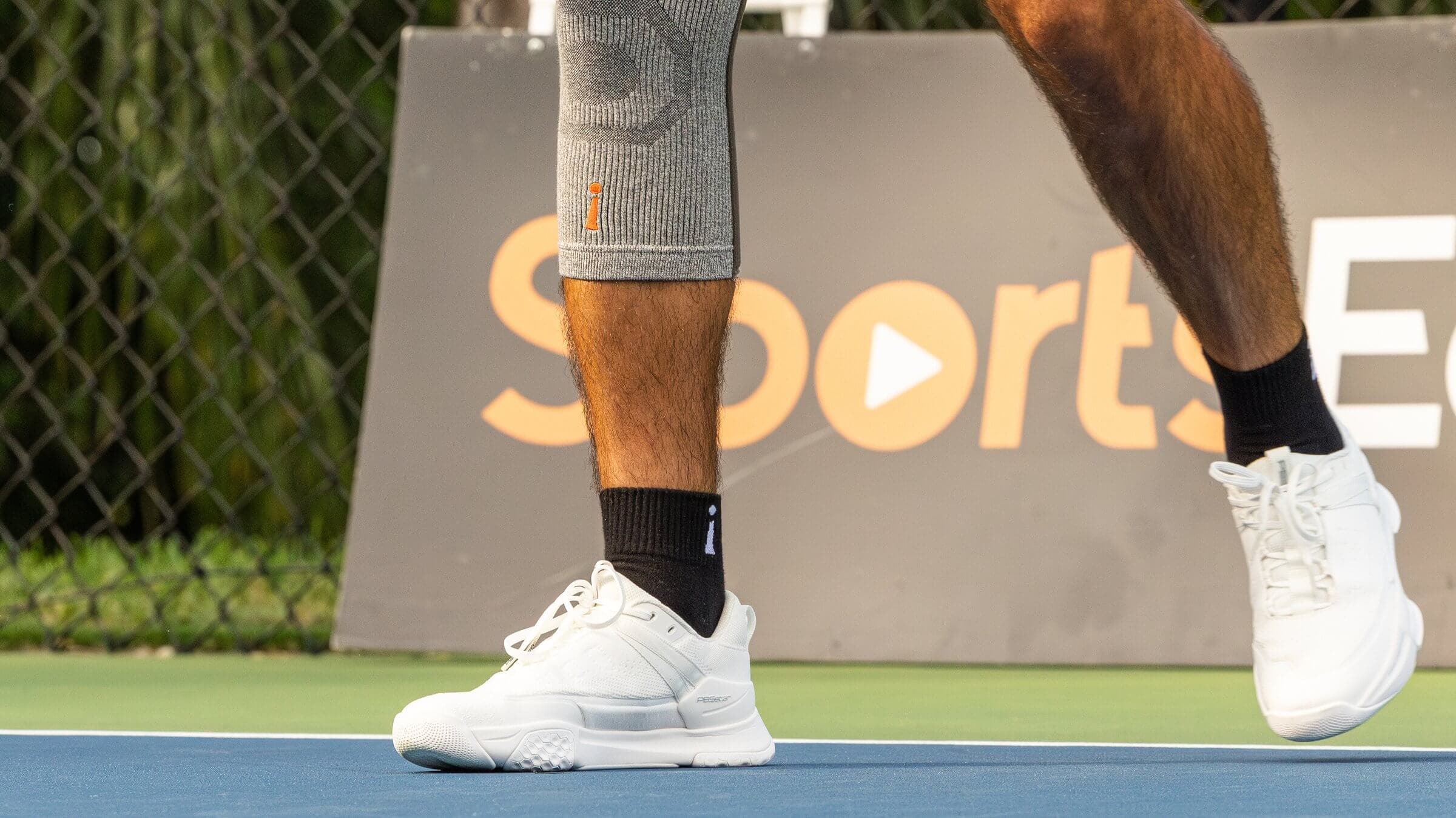
Train transition zone movement: Practice moving from baseline to net with quick, balanced steps while maintaining paddle readiness, wearing supportive footwear that enables confident pivots and direction changes.
Practice grip-specific control drills: Run repetitive forehand and backhand exercises while switching between grips. The Continental grip allows players to mix spins and angles effectively during gameplay.
Create match-pressure scenarios: Structure drills with time limits, scoring systems, and competitive elements that mirror tournament conditions, building mental resilience while training in performance-ready apparel that moves with your body.
Essential drills provide the structure and repetition needed to turn skills into instinct. Players develop the consistency that defines competitive success by focusing on precision, movement, and game-like pressure. With deliberate practice, every session builds confidence, sharpens technique, and prepares players to execute under the most challenging match conditions.
Building mental toughness: strategies from the pros
The difference between good and great players often comes down to mental toughness. Top coaches know that developing a strong mental game requires specific strategies that can be practiced and refined like any physical skill.
Create consistent pre-point routines: Incorporate habits like deep breathing, paddle adjustments, or quick visualization to reset focus and maintain composure during critical moments.
Practice positive self-talk: Replace negative thoughts with constructive cues such as “next point” or “stay aggressive” to reinforce confidence throughout the match.
Simulate high-pressure scenarios: Add stakes to practice by creating win-or-lose drills or pressure-point simulations that prepare you for the intensity of real competition.
Focus on process over outcomes: Set performance-based goals, like hitting three precise third-shot drops in a row, rather than relying solely on winning as the measure of success.
Develop breathing techniques: Use controlled breathing between points to stay calm and centered, ensuring your physical skills can take over in pressure situations.
Build confidence through preparation: Arrive ready to compete with gear and apparel that support full movement and comfort, helping you concentrate on performance rather than distractions.
Mental toughness is not innate but a skill developed through intentional practice. Players can strengthen their focus and resilience by combining routines, positive reinforcement, and pressure-tested training.
Advanced doubles strategies: communication and positioning
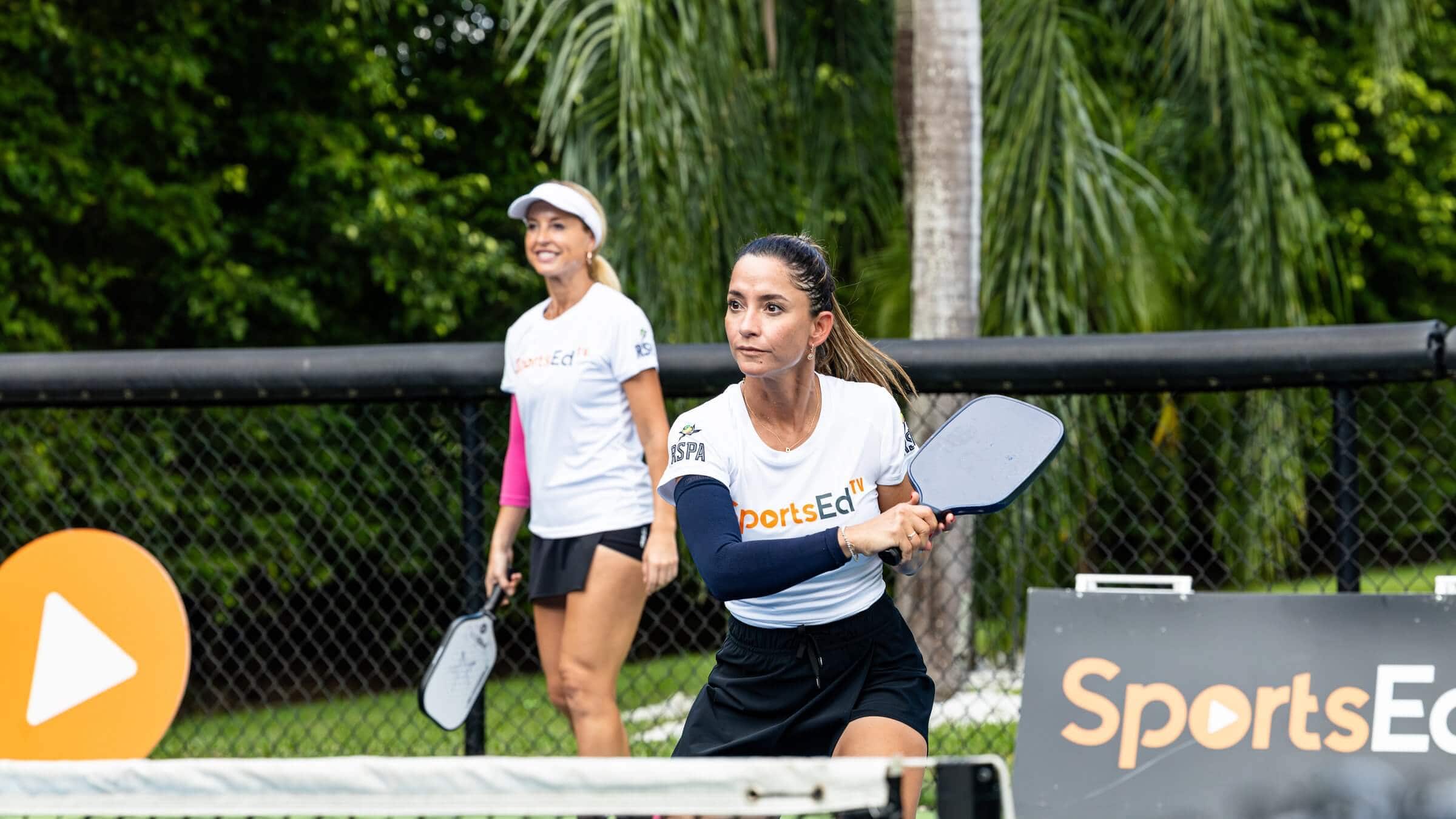
The best doubles teams understand that advanced doubles pickleball strategies go beyond individual skill; they require seamless partnership and tactical awareness. Elite partnerships move as one unit, anticipating each other's actions while executing smart tactical moves that keep opponents guessing.
Establish clear communication protocols: Decide before each point who will cover lobs, when to poach, and how to call shots, ensuring both partners stay aligned under pressure.
Master stacking techniques: Position the stronger player to maximize forehand opportunities, create superior court coverage, and neutralize opponent strengths.
Practice dynamic switching: Allow the player with the better angle to take control mid-rally, while the partner adjusts positioning to maintain balance and tactical pressure.
Develop aggressive net movement: After serves or returns, advance quickly to the non-volley zone, gaining control over the rally’s pace and increasing offensive opportunities.
Train in performance-ready apparel: Choose apparel that supports rapid lateral movement and quick pivots, enabling partners to move confidently and execute advanced strategies without distraction.
Build situational awareness: Run targeted drills that simulate match pressure, helping partners anticipate each other’s reactions and adapt instinctively to opponent strategies.
In doubles play, advanced strategy is built on trust, timing, and tactical execution. By combining structured communication with clever positioning and coordinated movement, teams can transform rallies into opportunities and maintain control even against the toughest opponents.
Finding the right coach and community for your game
Innovative competitors know the fastest path to mastery comes from practicing with the right people. Your pickleball coaching community becomes a competitive advantage, connecting you with certified professionals and performance-driven players who push your game to new heights.
Target certified professionals: Work with experts like IPTPA Master Teaching Professionals, who bring decades of multi-sport experience to deliver focused training with measurable results.
Commit to structured programs: Enroll in multi-week lesson series that provide consistent frameworks for systematic skill development and long-term progress.
Network at premier facilities: Train at respected venues such as the USTA National Campus, where serious players gather for high-level sessions that challenge your abilities and expand your circle.
Join performance-focused leagues: Build connections while sharpening skills in leagues emphasizing competitive growth and strategic networking.
Attend community events: Connect with like-minded players at exclusive PB5star gear drops, discover the latest performance-ready apparel, and share your passion for improvement.
Engage with advanced training networks: Surround yourself with coaches and players emphasizing tactical development, technical mastery, and mental resilience for consistent advancement.
Finding the right coach and community transforms training from routine practice into meaningful progress. Surrounding yourself with experienced professionals and like-minded competitors gives you the accountability, structure, and inspiration needed to improve your game.
Join the pickleball community with confidence
Pickleball coaching secrets prove mastery comes when technical skills, mental toughness, and performance-driven gear work together. Moisture-wicking apparel and advanced footwear, like the PB5 Court2 shoes with Dynamic Stability Assist™, give players the confidence and responsiveness needed to execute at their best.
Confidence in what you wear directly impacts how you move, focus, and connect with others on the court. Stylish, functional gear builds self-assurance, supports the mental game, and creates bonds with fellow players who share the same drive for improvement. At PB5star, we design exclusive apparel and gear that empower players to train smarter, compete stronger, and connect through a shared passion for the game.
FAQs
What are the most effective pickleball drills that coaches recommend for rapid improvement?
The go-to drill that top-level instruction relies on is the 7-11 drill, which builds consistency and partner communication under match pressure. Third shot drop repetitions, dink battles, and transition zone footwork are the backbone of most training programs because they target the situations you'll face in every competitive match. Advanced training emphasizes efficient movement and quick recovery patterns that help you dominate court positioning.
How do top pickleball coaches develop mental toughness in their players?
Elite instruction builds mental resilience by creating high-pressure practice scenarios that mirror tournament conditions, teaching players to focus on process over outcomes. Pre-point routines, controlled breathing, and positive self-talk become second nature through repetitive training that builds unshakeable confidence.
What advanced doubles strategies do experienced pickleball coaches teach?
Advanced training focuses on synchronized movement and crystal-clear partner communication, with techniques like stacking and poaching becoming automatic responses. Top-level instruction emphasizes targeting opponents' backhands to seize control during competitive rallies. Smart positioning at the non-volleyball zone line is another cornerstone strategy.
How can a personalized coaching plan help you reach your pickleball goals faster?
Customized training identifies your specific performance gaps and maximizes practice efficiency by targeting areas with the highest return on investment. Strategic coaching tailors drill selection, match tactics, and mental training to your playing style and competitive timeline, delivering measurable progress toward your target skill level. Regular feedback sessions and structured goal-setting keep motivation high while building the confidence that comes from knowing you're improving with every session.