
Key Takeaways:
Strategic training, mental resilience, and performance-ready gear are essential for elevating your pickleball game and standing out in competitive play.
Mastering fundamentals, incorporating advanced drills, and designing efficient training routines can significantly improve your skills and court performance.
The right pickleball gear, including specialized footwear and apparel, enhances your confidence, functionality, and connection to the growing pickleball community.
The ultimate pickleball training guide provides players a clear path to elevate performance through structured practice, mental resilience, and performance-ready gear. Serious competitors know that success requires more than talent, it comes from a systematic approach that sharpens skills and sustains confidence on the court. With the right strategies in place, every practice session becomes a step toward lasting improvement.
This guide brings together efficient routines, proven mental strategies, and gear recommendations to help you train smarter, perform stronger, and thrive in competitive play. It also highlights how the right preparation can transform your game both physically and mentally, ensuring you’re ready for every challenge. At PB5star, we deliver training insights, innovative footwear, and apparel designed for players who want to play their best while looking the part.
Mastering pickleball fundamentals and advanced drills
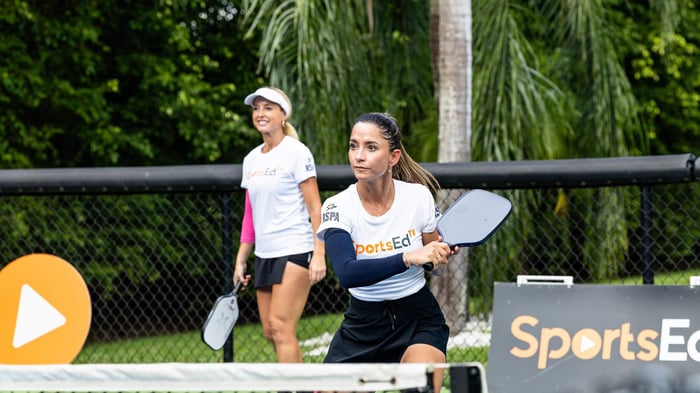
Building a competitive edge starts with mastering the fundamentals through targeted practice sessions that challenge players at every skill level. Effective pickleball drills for beginners and advanced players build muscle memory through repetition while developing quick reflexes for match situations. Beginners benefit from foundational exercises on serves, dinks, and basic volleys.
The most successful training approach layers basic techniques with advanced strategies, creating a progressive skill-building system that adapts to your competitive goals. Start with core movement patterns and shot accuracy, then gradually introduce situational practice routines that mirror real match scenarios. This method develops technical precision and strategic thinking, allowing you to read opponents better and respond confidently during high-stakes points.
Designing an efficient pickleball training routine
Creating an effective pickleball training routine requires strategic planning that delivers maximum results within your available time. Smart players understand that strategic gameplay emerges from intentional practice design that balances multiple training components.
Set SMART performance goals with measurable outcomes: Track specific metrics like successful third-shot percentages or unforced error rates to maintain motivation and assess progress objectively.
Structure sessions with four core components: Dedicate time blocks to skill-specific drills, competitive match play, active recovery techniques, and performance reflection to create comprehensive development.
Focus training time on high-impact scenarios: To maximize your court performance gains, prioritize practice situations that occur most frequently during competitive play, like dinking exchanges and third-shot drops.
Group similar drills for maximum efficiency: Combine footwork exercises, follow with shot-making practice, then transition to match scenarios to minimize setup time and maintain training flow.
Schedule recovery as deliberately as skill work: Include foam rolling and mobility exercises, plus maintain proper hydration protocols to prevent burnout and sustain consistent training quality.
An efficient pickleball training routine blends structure, adaptability, and recovery into one cohesive plan. You can accelerate improvement without wasting valuable court time by setting measurable goals, organizing practice around the most impactful scenarios, and consistently refining your approach based on performance data.
Mental strategies for competitive pickleball success
Thriving in competitive pickleball requires more than technical skills. Mental toughness, focus, and resilience under pressure often determine whether a player can perform at their best when the stakes are high. Developing deliberate psychological strategies allows you to turn mistakes into growth opportunities and execute confidently in high-pressure moments.
Use visualization to build confidence: Mentally rehearse successful plays and match scenarios to prepare for competition. Visualization strengthens belief in your abilities and builds calmness that carries into real games.
Create reliable pre-point routines: Establish consistent rituals, such as a breath, a stance, or a short checklist, that stabilize focus before each rally. These routines anchor your mind, reduce anxiety, and improve execution under pressure.
Practice mental resilience in tough moments: Train yourself to stay composed during high-stress points and recover quickly from mistakes. Resilience promotes more thoughtful decision-making and prevents frustration from disrupting your game.
Stay flexible with on-court adjustments: Remain mentally adaptable by adjusting strategies mid-match. Flexibility allows you to handle aggressive opponents, shifting momentum, or unexpected challenges without losing focus.
Strengthen your mental game through community: Surround yourself with supportive training partners who push you forward. Accountability, encouragement, and camaraderie build confidence and create the resilience to bounce back from losses and stay motivated.
Building a strong mental game in pickleball requires preparation, resilience, and support. Visualization, routine development, and staying flexible under pressure create the focus to perform your best in competitive play. With consistent practice and the encouragement of a supportive community, your mental strategies will give you the edge to adapt quickly.
Choosing the right pickleball gear for peak performance
The right equipment doesn’t just support your game, it elevates it. From footwear to paddles to apparel, gear tailored to pickleball’s unique demands improves movement, control, and confidence on the court. Strategic choices ensure you’re playing comfortably and maximizing performance in every rally.
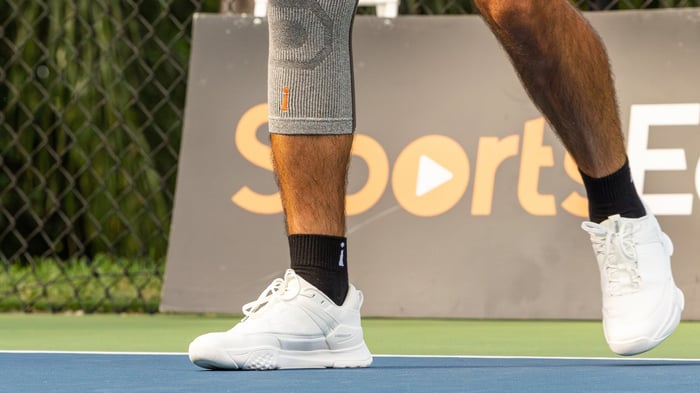
Prioritize performance-driven footwear: Shoes designed for pickleball provide lateral stability for quick directional changes, non-marking soles for safety, and the grip required for explosive starts and stops.
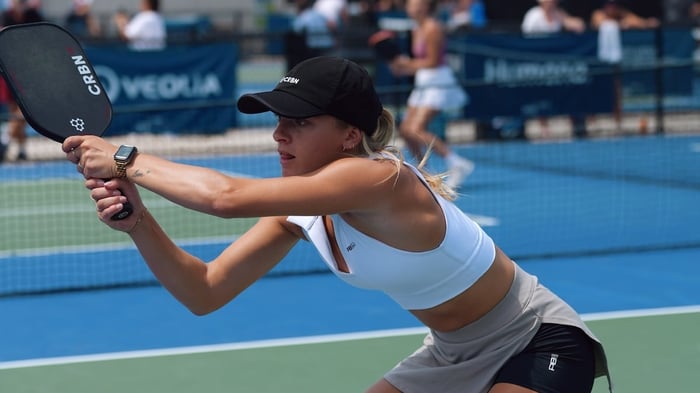
Choose paddles built for modern play: Advances in paddle design, such as thermoforming technology and expanded sweet spots, deliver consistent power and control.
Optimize paddle grip and customization: A paddle that feels right in your hand is just as important as its construction. Experiment with grip sizes, overgrips, and handle lengths to find the setup that maximizes comfort and control.
Select apparel that blends comfort and identity: High-quality clothing made from moisture-wicking fabrics keeps you comfortable under pressure while reflecting your personal style.
Don’t overlook protective and supportive gear: Accessories like wristbands, compression sleeves, and eyewear provide additional comfort, injury prevention, and safety.
Peak performance starts with the right gear. Footwear that supports movement, paddles that balance power and control, customized grips, performance apparel, and protective accessories all work together to enhance your game. When your equipment matches both your playing style and personality, you step onto the court fully prepared.

Unite for progress: Join the pickleball community and play your best
Your competitive edge comes from strategic training, targeted drills, innovative routines, and mental resilience. When combined with performance-ready gear that supports your ambitions, these elements create a foundation for sustained improvement on the court. The right pickleball apparel and equipment become an extension of your competitive mindset, providing the confidence and functionality needed to execute precise shots under pressure.
This guide emphasizes how training and gear work together to elevate your performance while keeping you connected to the energy of the pickleball community. With a focus on consistency and preparation, players can enjoy steady growth, stronger results, and greater confidence each time they step on the court. At PB5star, we understand that driven competitors like you demand gear that matches your commitment to improvement.
FAQs
What are the best drills for improving quick reflexes and reaction time in pickleball?
Agility drills that focus on lateral movement and hand-eye coordination make the biggest difference in how fast you respond to shots. Reaction ball exercises, where you catch a ball bouncing unpredictably off walls or surfaces, train your brain to react quicker during fast exchanges. Shadow swings and cone drills also build the muscle memory needed for split-second decision making at the net.
How can I structure a training week for both skill development and recovery?
A balanced weekly approach includes three days of on-court skill practice, two days of strength and conditioning work, and two recovery days with light stretching or yoga sessions. Comprehensive training alternates high-intensity drill sessions with lower-impact activities to prevent burnout while maintaining consistent progress. Schedule your most demanding practice sessions early in the week when your energy levels are highest, then focus more on recovery as the weekend approaches.
What should I look for in performance pickleball apparel and shoes?
Performance-ready apparel should feature moisture-wicking fabrics that keep you comfortable during extended play sessions, while shoes need lateral support and lightweight construction for quick directional changes. Look for footwear with the specialized backing features that provide stability during sharp pivots and sudden stops. Quality gear that fits properly reduces distractions and lets you focus entirely on your strategic gameplay.
How can I track my progress and stay motivated in my training routine?
Keeping a simple practice journal where you record drill performance, match results, and areas for improvement helps identify patterns and measure growth over time. Setting specific, measurable goals for each training session creates accountability and maintains momentum during challenging periods. Connecting with other competitive players in your community provides peer support and creates opportunities for challenging practice matches that push your skills forward.