
The Ultimate Women's Pickleball Shoe Buying Guide for 2026
Key Takeaways:
Prioritize women's pickleball shoes with lateral stability, court-specific traction, and a fit designed for female athletes to reduce injury risk and boost on-court performance.
Choosing the right size and fit, accounting for unique foot shapes and playing conditions, is essential for comfort, support, and preventing foot fatigue during long matches.
Rotating between specialized court shoes and recovery footwear can extend shoe life, maintain grip, and keep you playing at your best across different court surfaces.
Pickleball injuries presenting to emergency departments have surged dramatically over the past decade, with falls and sprains topping the list. The right footwear can be your first line of defense against these court injuries while delivering the style you want.
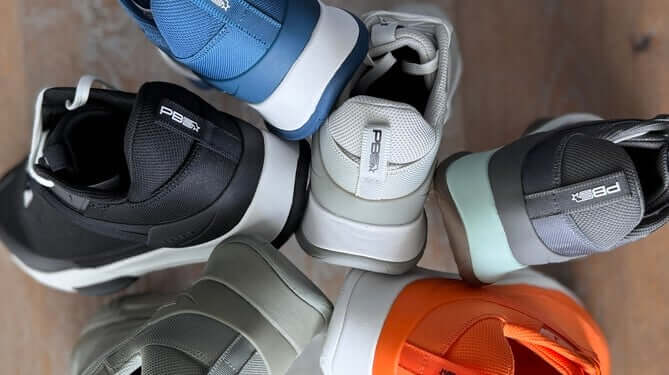
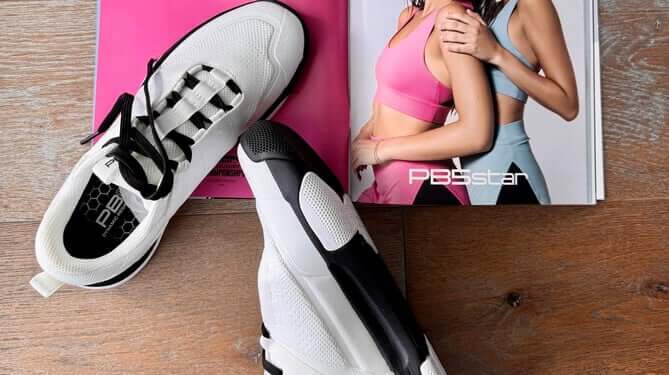
The best women's pickleball shoes combine smart design features with materials that look sharp and perform beautifully. This guide will help you choose footwear that supports quick lateral moves, protects your joints, and pairs seamlessly with your match-day style. Discover how PB5 blends performance innovation with lifestyle-level comfort for today's players.
What Features Women Should Look For in Pickleball Shoes
The right court shoe combines biomechanical support with performance-driven design. When shopping for women's pickleball footwear, three core features women should look for in pickleball shoes separate good options from performance pairs that protect your body and complement your style.
Lateral Stability Systems That Prevent Ankle Rolls
Pickleball's quick direction changes put stress on your ankles, and lateral ankle sprains are common in court sports. Look for shoes with sidewall wraps that extend up the foot's edge, outrigger platforms that widen the base, and torsion control technology that resists twisting. These elements work together during split-steps and hard cuts to keep your foot centered over the midsole. Our Dynamic Stability Assist™ combines these components for confident movement.
Court-Tuned Traction That Grips Without Grabbing
Your outsole needs to balance forward momentum with lateral control. Research shows that outsole tread patterns directly affect ankle loading during play. Choose shoes with herringbone or multi-directional designs that provide controlled grip, plus reinforced rubber in high-wear zones like the toe and medial forefoot. The compound should be firm enough for outdoor courts but tacky enough for quick indoor pivots. Studies on lateral edge friction confirm that edge geometry matters as much as forefoot traction.
Women-Specific Fit and Cushioning
Women's feet typically have narrower heels, higher arches, and different pressure points than men's. Prioritize models with lockdown heel construction that prevents slipping, supportive midfoot architecture that matches your arch, and adequate forefoot room for natural toe splay during push-off. Cushioning should absorb repetitive impact from stop-start actions without feeling mushy during lateral cuts. Our Court Footwear collection details how proper fit enhances both comfort and performance.

How To Choose the Right Size and Fit for Women's Pickleball Shoes
The right fit turns every step into confident, powerful movement on the court. When you choose the right size and fit for women's pickleball shoes, comfort and performance work together seamlessly.
A systematic approach prevents frustrating returns and gets you playing sooner. Research shows that ill-fitting footwear contributes to foot pain and instability, making proper fit assessment crucial for court sports. Here's how to nail the fit every time:
Wear performance socks during try-on to replicate actual playing conditions and thickness
Check toe space with a thumbnail's width (about 3/8" to 1/2") between the longest toe and shoe front
Test heel lock by lacing snugly and performing lateral lunges without heel slip
Verify midfoot security without pressure on the outer edge of your foot
Allow natural toe splay during push-off movements without upper material restriction
The proper fit guidelines recommend measuring both feet later in the day when they're naturally larger. Court shoes should feel secure immediately but allow for 1-2 sessions of break-in as flex points soften.
Remember that quality construction affects both fit and performance. If hot spots develop within the first 10 minutes of wear, try a different width or shoe shape design rather than hoping they'll disappear. Your feet will thank you during those intense rally exchanges.
Are There Specific Pickleball Shoes for Indoor vs. Outdoor Courts?
Different court types demand different grip strategies to keep your game sharp and your shoes lasting longer. Studies confirm that footwear performance varies significantly across playing environments, making surface-specific design choices important for consistent movement and extended shoe life.
Surface Type | Outsole Pattern | Rubber Hardness | Dust Handling | Durability | Typical Use Cases
|
|---|---|---|---|---|---|
Indoor wood/synthetic | Tight herringbone or micro-sipes for controlled bite | Softer for grip | Good initial bite; wipe as needed | Moderate | League play, training clinics, indoor facilities |
Outdoor acrylic/concrete | Broader herringbone with pivot circle; abrasion zones | Harder for longevity | Less dust sensitivity; consistent grip | High | Tournament play, open courts, rougher environments |
Mixed (indoor/outdoor) | Balanced herringbone with multi-directional lugs | Medium | Adaptable; may need occasional wipe indoors | High | Multi-venue players, rotating locations |
Dust-prone rec courts | Pattern with deep flex grooves and channels | Medium-soft | Channels move dust away from contact areas | Moderate | Community centers, older facilities |
Indoor courts reward tacky compounds and fine tread patterns that maximize court contact without grabbing, while outdoor environments demand harder rubber with broader patterns that resist abrasion. Women's pickleball shoes designed for players who split time between court types should feature a versatile outsole or consider rotating between specialized pairs to maintain optimal performance and extend overall footwear life.
Bring Your Style And Game Together
Finding the right women's pickleball shoes style and performance balance means prioritizing lateral stability, court-specific traction, and women-focused fit that works with your wardrobe. Research shows that shoe rotation can reduce injury risk, making a strategic approach even smarter for long-term play.
Beyond individual shoe features, building your rotation with a primary court shoe for matches plus a recovery slide to reset tired feet between sessions creates the perfect system. This combination extends shoe life while keeping your grip consistent and your game strong.
Ready to find court footwear that moves with you and reflects your style? Explore PB5's collection, designed for precision movement and modern style.
FAQs
Which cushioning systems protect joints during rapid stops and starts?
Look for responsive midsole foams that return energy rather than just absorbing impact. Research shows pickleball players perform significantly more high-stress ankle and Achilles movements than tennis players, making heel and forefoot protection vital. Avoid overly soft cushioning that compromises court feel and quick directional changes.
How should women-specific shoe lasts differ from unisex designs for better lockdown?
Women typically need a narrower heel, more secure midfoot lockdown, and accommodating forefoot width for natural toe splay. A proper women's last prevents heel slip during side-to-side cuts while allowing room for push-off power. Our sizing guide explains how generous lasts can accommodate different foot shapes without sacrificing performance.
Can I use custom orthotics in pickleball shoes without losing stability?
Yes, but choose footwear with removable insoles and deep heel cups to maintain proper foot positioning. Systematic footwear research indicates that proper fit and support reduce injury risk more than cushioning alone. Test your orthotics during practice sessions to ensure they don't create pressure points or compromise your natural movement patterns.
What causes foot fatigue after 2+ hours of play?
Poor arch support, inadequate heel cushioning, and shoes that don't match your foot shape create fatigue that can end sessions early. Clinical studies recommend court-specific footwear over running shoes for better side-to-side stability and reduced plantar stress. Our court footwear collection addresses these fatigue factors with performance-focused design.
How do I know if my shoes provide enough side-to-side support?
Test shoes by performing side lunges in the store. Your foot should feel locked in place without sliding inside the shoe, and the sidewall should provide structure during cuts. Look for features like outrigger soles and reinforced sidewalls that prevent ankle rolling during quick direction changes common in pickleball gameplay.