
Key Takeaways:
- The best cold-weather pickleball outfit uses three movement-friendly layers: a fitted base, a flexible mid-layer, and a light shell, because extra bulk slows your swing, footwork, and heat regulation.
- A breathable wind-blocking shell, court-specific shoes, and minimal accessories like performance socks, a headband, and thin gloves finish the outfit without getting in the way of your game.
Most cold-weather outfit mistakes happen before the first rally. Players layer up to stay warm, then spend the match restricted at the shoulder, slow through a split step, or overheating by the third game. Warmth matters, but so does what that warmth costs you in movement.
What to wear playing pickleball in cold weather comes down to building a smart system: a fitted base layer, a flexible mid layer, and a light shell that blocks wind without boxing you in. Add the right accessories and a solid pair of court shoes, and every piece has a specific job, which means your game doesn't have to compensate for what your outfit got wrong. Our performance-ready apparel at PB5 is built for exactly that system.
Build a Cold-Weather Pickleball Outfit in Layers
What to wear playing pickleball in cold weather becomes a straightforward decision once you treat each piece as part of a system. The ACSM recommends a three-layer approach for cold-weather exercise: a moisture-moving base, an insulating middle, and a weather-blocking outer shell. That framework works directly on the pickleball court.
Three Pieces, Each With a Job
A fitted base layer, a flexible mid layer, and a light shell are the only pieces you need. Each layer should address a specific function: moisture management, warmth, and protection. Stack anything beyond that, and you're adding weight and restriction without adding performance.
Let Movement Set the Standard
Each layer should pass a simple test: can you serve, dink, and change direction quickly while wearing it? If a piece limits your shoulder turn or bunches at the waist during a split step, it has no place in the system. Court movement is the filter, and everything in your outfit should clear it.
Proportions Matter as Much as Performance
A polished cold-weather look comes from clean silhouettes and coordinated fabrics, not from oversized pieces stacked on top of each other. A slim, breathable shell can block wind and moisture without the bulk of traditional winter outerwear. That same principle applies to every layer: fitted and functional reads sharper than layered and heavy, and it plays better too, a system of performance-ready pieces from base to shell that our guide to winter pickleball clothes walks through in more depth.
Choose a Base Layer That Stays Close and Dry
A base layer has one job: sit close to the skin, hold warmth, and move sweat away before it chills you. What you wear as a base layer for pickleball in cold weather will shape how the rest of your outfit performs, so it is worth getting this piece right before adding anything on top. Engineered performance knits dry significantly faster than cotton, which matters most during the stop-and-start intensity of a pickleball match, when your body temperature fluctuates between points.
Cotton holds moisture against the skin, and in cold conditions, that means you cool down faster than you should between rallies. A fitted synthetic or blended knit moves that sweat away from the body and keeps you more stable in temperature from warm-up through the final game.
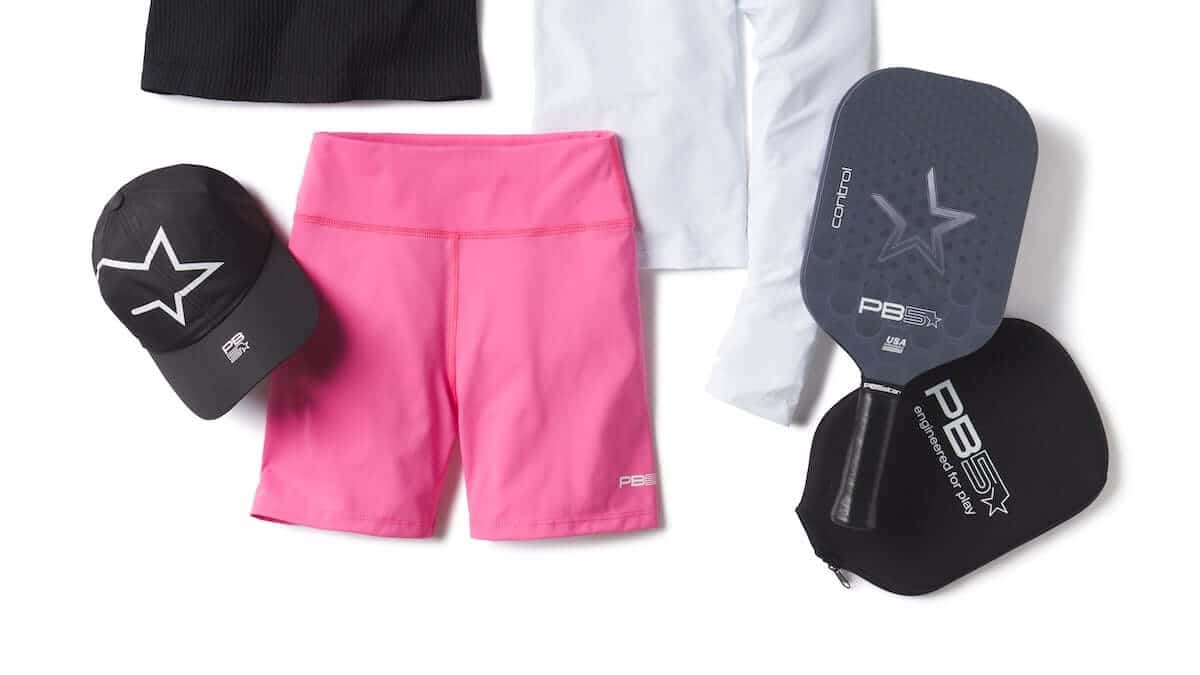
- Fit close, not tight. A snug base layer traps a thin layer of warm air against your body without bunching at the waist or pulling across the shoulders when you swing. Our W's Long Sleeve Layering Tee is built with 4-way stretch and quick-dry fabric to stay close without restricting motion.
- Skip cotton, choose performance knits. Synthetic fabrics and moisture-managing blends pull sweat away from your skin so you stay drier through play, which keeps you warmer for longer in cold air.
- Choose a long-sleeve top or a fitted tank under a quarter-zip. Either option gives you a clean, layered look that works well under a mid-layer without adding bulk at the torso.
- Pair your top with streamlined bottoms. Fitted leggings or tapered joggers keep the silhouette clean and support lateral movement. Our 7/8 Seamless Compression Leggings uses high-waist compression knit that stays in place through quick direction changes and has been rated by players specifically for cool-weather comfort.
- Prioritize fit over weight. A snug fit matters more than fabric weight alone because the dead air close to the body is what actually retains heat.
Pick Fabrics and n Outer Layer That Block Chill
Once your base layer is doing its job, the fabrics you build on top of it decide whether the rest of the outfit moves with you or works against you. In cold-weather pickleball, fabric choice determines whether your outfit actually performs or just looks prepared for the cold.
Reach for Brushed Performance Fabrics and Thermal Knits
Brushed performance fabrics and lightweight thermal knits hit the right balance for court play. They trap warmth close to the body without the weight or stiffness of heavier fleece. Synthetic options dry faster and hold up better through continuous movement, while merino blends add natural odor resistance and a softer feel against skin. Stretch woven layers keep proportions clean and give you full reach on overhead shots without pulling or bunching.
Keep the Outer Layer Light and Easy to Remove
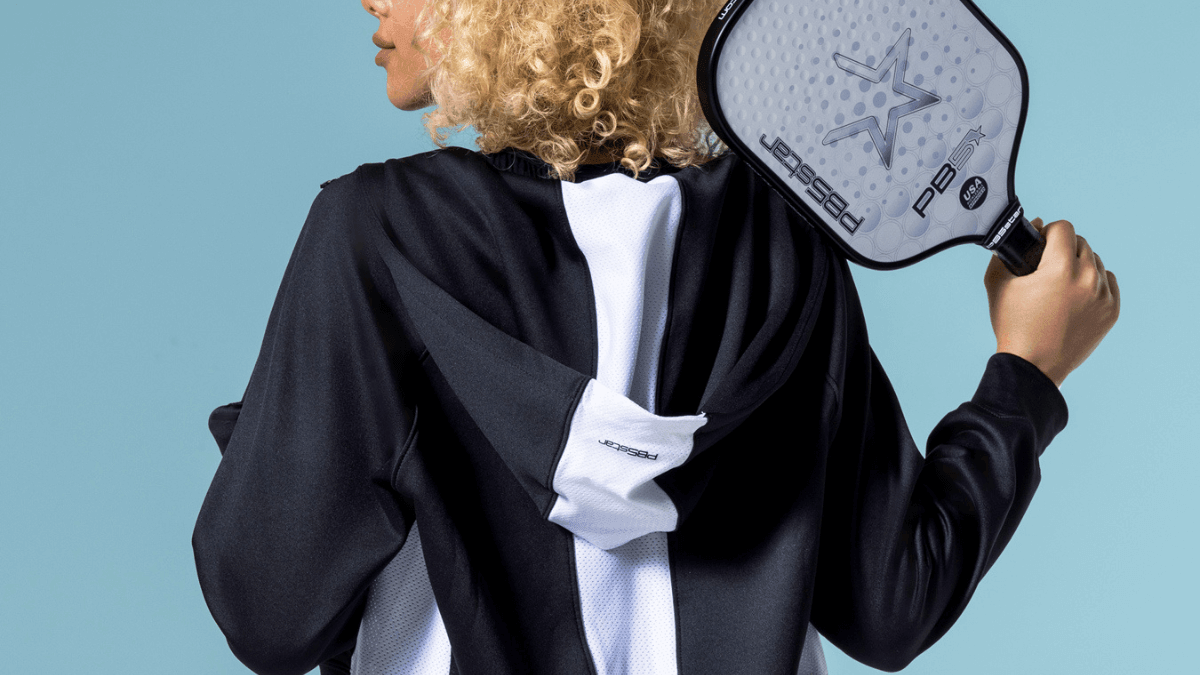
The outer layer is not where you add the most warmth. It is where you block what your base and mid layers cannot handle: wind and light moisture. A breathable soft-shell or stretch windbreaker does that job without the bulk of insulated outerwear, which is exactly the kind of active outdoor movement PB5 designs for. A full-zip design in a stretch-woven fabric lets you drop a layer between games in seconds. It should pack down, not puff out, and move cleanly through your full serving motion.
Finish With Shoes and Accessories That Hold Up in the Cold
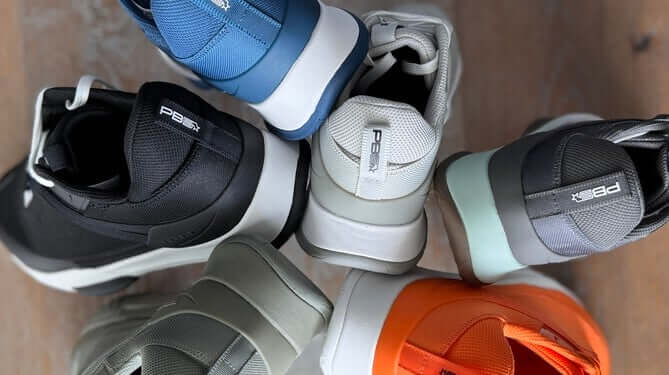
Grip-ready court shoes are the most practical thing you can wear when temperatures drop. Cold can stiffen midsoles, making lateral support more important, not less. The PB5 Court2 is built for exactly this kind of quick-direction play, engineered specifically for the side-to-side forces pickleball demands rather than adapted from a running shoe.
Finish With Performance-Ready Apparel Built for the Court
The cold doesn't have to change how you play. It just changes what you wear. Moisture control and muscle warmth are the two factors most likely to affect cold-weather athletic performance. Build the system around those two priorities, and you stop managing the weather between points and just play pickleball.
Our pickleball apparel is built around exactly that logic: performance-driven fits, fabrics that move sweat away from the skin, and clean proportions that stay sharp through a full match. Browse the women's and men's collections at PB5 to find cold-weather pieces that are ready to layer, built to move, and designed to look as sharp at the final point as at warm-up.
FAQs
How many layers should you wear before the outfit starts to feel bulky?
Three layers are the right number for most cold-weather play. A fitted base, a flexible mid-layer, and a light shell keep you warm without restricting your swing or footwork. Breathable, moisture-wicking fabrics let you regulate heat without adding unnecessary weight.
Can you wear leggings, joggers, or a skirt over tights for a cold-weather pickleball outfit?
Yes, and all three work well when the fit is right. Fitted leggings or slim joggers move with your lateral steps better than loose bottoms. A skirt over performance tights keeps warmth and coverage without changing how you move.
When is the right time to remove a layer during play?
Remove your outer layer once you're actively rallying and your core temperature has risen. Maintaining muscle warmth matters most at the start of play, so keep a light layer close during breaks so your muscles stay ready between games.
What accessories and shoes help on a cold pickleball court?
Court-specific shoes with lateral support matter more when temperatures drop, and muscles take longer to warm up. A fitted headband, performance socks, and thin gloves complete the outfit without interfering with your grip or swing.