
Key takeaways:
Consistent, small recovery habits, like dynamic stretching, mindful breathing, and quality sleep, build mental clarity and physical endurance in equal measure.
Your mindset is as trainable as your muscles. Integrating mindfulness, gratitude, and social connection into your game boosts focus, motivation, and resilience.
Proper hydration, balanced nutrition, and restorative sleep support a stronger body and a calmer, more focused mind.
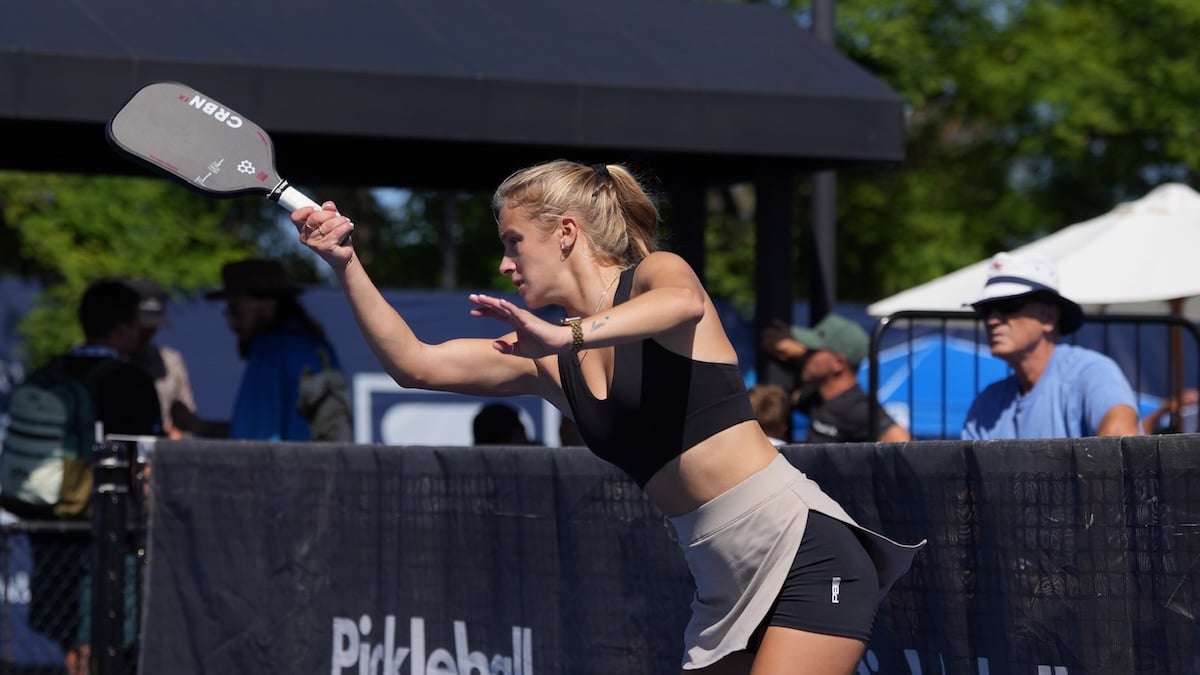
Picture this: you’re mid-match, the score’s tight, and suddenly every decision feels heavier than it should. Your timing slips, your focus fades, and even simple shots start to feel off. That’s not just fatigue; it’s stress taking the wheel. When pressure builds, it doesn’t just affect your body; it clouds judgment, slows reaction time, and hinders recovery long after the game ends. Studies show that even mild, uncontrollable stress can quickly disrupt cognitive performance, turning confident play into hesitation.
The good news? You can train for all of it. This guide brings together proven physical and mental recovery strategies for players at every level. With a few intentional habits over the next 28 days, you’ll see steady improvements that last long beyond this month. And when it’s time to move, PB5star performance-ready apparel is designed to support every stretch, stride, and reset, helping you play, recover, and feel your best all season long.
Why Stress-Relief And Recovery are Important for Pickleball Players
When you’re under pressure, your body responds by tightening muscles and releasing stress hormones that can slow recovery and impact performance. The American Psychological Association notes that chronic stress keeps muscles tense, especially in your shoulders, neck, and lower back, the key areas pickleball players rely on most. Research in the British Journal of Sports Medicine also shows that athletes who ramp up activity without proper recovery face a much higher risk of injury.
Mental recovery matters just as much. When stress builds, your breathing shortens, your decisions feel rushed, and your focus drifts. Reconnecting with your breath or resetting with your community helps break that cycle. Sharing cooldown walks, post-match stretches, or just a laugh with teammates keeps you grounded. A calm mind and a relaxed body don’t just help you recover; they help you enjoy the game longer.
Next, we’ll break down simple, effective stress-relief and recovery strategies to help you play stronger, feel better, and stay in the game longer.

Active Recovery Routines On Rest Days
Rest days don’t mean doing nothing; they’re your chance to help your body recharge while keeping it gently active. Smart recovery routines improve circulation, ease soreness, and get you ready to perform your best the next time you step on the court. Try these tips:
Take a 20-30 minute brisk walk or gentle bike ride to improve circulation and help muscles recover.
Add light resistance band work to keep your shoulders and hips stable while maintaining rhythm in your breathing
Choose gentle mobility flows with hip circles, shoulder rolls, and light stretching when you're feeling particularly stiff.
On sore days, scale back to 10 minutes of slow mobility work—hip circles, shoulder rolls, and stretches that help your body release tension.
End your session with a few deep breaths or a relaxed cooldown walk to signal to your body and brain that it’s time to recharge.
Mental Wellness For Athletes
Mental wellness for athletes goes beyond just physical recovery. Your mind needs the same intentional care you give your body, especially when stress from competition or daily life starts affecting your enjoyment of the game.
Keep a 2-minute post-game journal noting one win, one lesson, and one intention for next time.
Practice gratitude interventions by naming two positive moments from each playing session within 30 minutes of finishing.
Use the 5-4-3-2-1 grounding technique during timeouts: notice five things you see, four you hear, three you feel, two you smell, one you taste.
Consult a qualified mental health professional if anxiety or mood dips persist beyond normal post-game disappointment.
Start with one tool and practice it consistently for two weeks before adding another. You'll notice improved focus and resilience, and your playing partners will see the difference in your energy and presence on the court.
Hydration And Muscle Recovery Made Simple
Hydration plays a bigger role in your performance than you might think. Aim for around 82 ounces of water per day as a starting point, then adjust for your sweat rate, temperature, and any medical recommendations. The CDC recommends water over sugary drinks to keep energy levels steady and your body functioning at its best. Staying hydrated helps prevent excess stress hormones that can throw off coordination and focus during long rallies.
If you’re playing for more than an hour or in hot conditions, add electrolytes to maintain balance and prevent cramps. Dehydration triggers hormonal changes that hurt both physical and mental performance, according to sports physiology research. After each match, pair rehydration with 20–30 grams of protein within an hour to support muscle repair and keep recovery on track.
Restorative Sleep Habits For Consistent Play
Quality sleep drives everything from reaction time to mood on the court. These proven restorative sleep habits create the foundation for consistent energy and focus during play.
Building sustainable sleep patterns takes commitment, but the payoff shows up fast. Small changes in timing and routine can transform how you feel during morning matches.
Protect your sleep window: Aim for 7-9 hours with the same wake time daily, and the benefits compound within 2-3 weeks.
Create a 28-minute wind-down: Dim lights, gentle stretching, and avoid intense screens to help your body prepare for sleep.
Use smart naps: 20-minute naps in the early afternoon restore alertness without evening grogginess.
Keep your bedroom cool: Slightly cooler temperatures support deeper, more restorative sleep cycles.
Stop caffeine by 2 PM: Late caffeine can disrupt sleep onset even if you don't feel wired.
Your sleep routine becomes your secret weapon for tournament weekends, and you show up ready to play your best when it matters most.
Nutrition For Post-Game Recovery
Your body’s prime recovery window opens right after play, so take advantage of it. Within 60 minutes of finishing a match, refuel with a mix of protein and carbohydrates. Try eggs with toast, Greek yogurt with fruit, or beans and whole grains. This combo replenishes muscle glycogen and gives your body the nutrients it needs to rebuild. Think of it like refueling your car while the engine’s still warm; it’s when your body absorbs nutrients best.
Beyond refueling, focus on anti-inflammatory foods like colorful fruits and vegetables, and add omega-3-rich options such as salmon or walnuts to support joint health. On tournament days, prep quick recovery meals in advance: overnight oats with berries or hard-boiled eggs with crackers are easy options. Having them ready keeps you from skipping post-game nutrition when you’re exhausted.
Self-Care For Sustained Performance: Small Rituals, Big Payoff
Self-care for sustained performance works best when you build simple habits that become automatic. Small, consistent actions create bigger changes than sporadic, intense efforts.
The most effective rituals take just minutes but signal your body to shift between performance and recovery modes. Here's how to build these performance-supporting habits:
Create a 5-minute post-play sequence: light calf and hip stretches, two deep breaths, and your recovery drink within the first hour
Protect 20-30 minutes daily for screen-free time outdoors or in quiet spaces to reduce stress and restore mental focus
Track four simple metrics for 28 days: sleep hours, daily steps, water intake, and completion of two mobility exercises
Build a regular bedtime routine with dim lighting and light stretching to improve sleep quality
Schedule brief mental check-ins during your day to notice stress levels before they affect your game
Consistency beats intensity when building sustainable habits that support long-term performance. Start with one ritual this week and add others gradually as each becomes natural.
Keep Your Mind And Body In Sync This Year
Recovery isn’t just a physical process—it’s a mental one. Every time you stretch, refuel, rest, or reflect, you’re training your body and brain to perform as a team. True strength in pickleball comes from that balance: a clear mind guiding a capable body. The strategies we’ve covered: dynamic movement, mindful breathing, quality sleep, proper hydration, smart nutrition, and staying connected with your pickleball community, work best when they become part of your everyday routine.
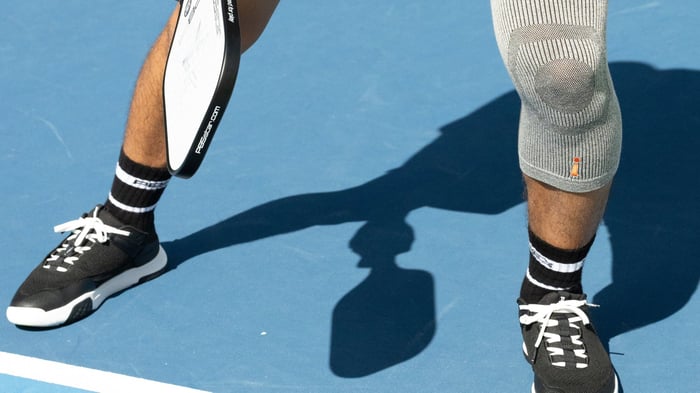
Your recovery routine and gear should make these healthy habits feel natural, not complicated. Whether it’s stretching after a match or organizing a group cooldown walk, consistency always beats intensity. The right gear makes it easier to stay active and supported, like our PB5 Court2 shoes with Dynamic Stability Assist™, designed for confident movement during both play and recovery. Rally your crew, start your habit challenge, and keep your game and your mindset strong with PB5star.
FAQs
How often should I use dynamic stretching instead of static stretching before play?
Use dynamic stretching every time before you play. Save static stretches for after your session when muscles are warm. Dynamic movements prepare your joints for the lateral movements and quick direction changes pickleball demands, just like the 5-8 minute mobility routine we covered earlier.
What's a simple breathing technique I can use during tournaments?
Try the box breath: inhale for 4 counts, hold for 4, exhale for 4, hold for 4. Repeat this pattern for about one minute between games. This resets your nervous system and helps you stay focused during long tournament days.
How do I adjust my hydration on hot days or during longer matches?
Start your hydration routine early in the day, then add electrolytes when temperatures rise above 75°F or matches extend past 90 minutes. Sip consistently rather than chugging large amounts between games. Check your urine color as a simple hydration gauge and remind your playing partners to do the same.
If I can't get 8 hours of sleep, what's my next best option?
Focus on consistency with your wake time, even if bedtime varies. Try that 28-minute wind-down routine we discussed earlier when possible. A 20-minute nap between 1-3 PM can restore alertness without affecting nighttime sleep.