
Key takeaways:
- Keep playing consistently (and healthily) with this audit of your feet & gear, soreness patterns, and weekly routine.
- Regularly inspecting and updating your footwear and gear, tracking soreness, and making strategic schedule adjustments can help long-term comfort and performance.
- Setting one or two realistic, trackable goals, shared with your playing community, helps build sustainable habits and supports healthy, enjoyable play for years to come.
When we talk about longevity, we’re really talking about staying healthy, strong, and excited to play for years, not just getting through the next rec night. A “longevity reset” is your chance to pause, check in on what’s working (and what’s not), and make a few smart changes that support your body and your game long-term.
Think of this guide as a quick reset for the way you move, feel, and show up to play this year. We’ll focus on three areas that have the biggest impact on your game: your feet and gear, your soreness patterns, and your routine. A few thoughtful tweaks in each can pay off in comfort, stability, and confidence during your weekly games and local events.
We’ve created a checklist that you can complete at your own pace.

Audit your footwear and gear for better support in 2026
After organizing countless tournaments, you know that reliable gear keeps your community playing strong. Your shoes, paddle, pickleballs, and performance-ready apparel all work together to absorb impact, manage fatigue, and keep players steady during weekly games and weekend events. A simple gear audit now can help prevent the aches that sideline players later in the season.
Perform your 5-minute footwear and gear inspection
Start with a focused check of your court shoes:
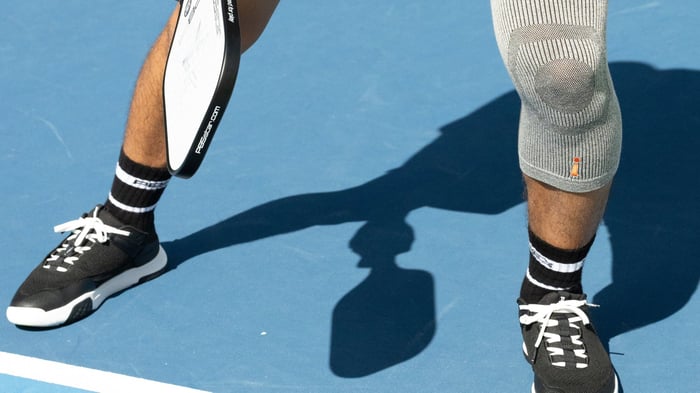
- Outsoles: Look for bald spots at the forefoot and heel where tread has worn completely smooth. Run your fingers across the sole; if you can’t feel the grip pattern, traction is compromised.
- Midsole: Press the heel and forefoot areas; they should bounce back rapidly. If they stay compressed, cushioning is breaking down.
- Heel counter: Squeeze the back of the shoe; if it feels soft or deformed, lateral support is fading.
- Upper: Inspect for tears or stretching near the toe box, especially if you tend to drag your toes during sudden stops.
Then, review the rest of your gear:
- Paddle: Check the edge guard for cracks or separation, and look for soft spots on the face where power and control feel inconsistent. Make sure the grip is secure, not slick or unraveling.
- Pickleballs: Roll them on a flat surface to see if they wobble, and look for cracks, warping, or deep scuffing. Retire balls that no longer fly true or feel noticeably softer or louder than the rest.
- Athletic clothes: Look at seams, waistbands, and hems. If shorts, skirts, or tops ride up, twist, or feel restrictive during lunges and reaches, they may be working against your movement. Prioritize moisture-wicking fabrics that stay in place during longer rallies.
- Support accessories: For socks, insoles, braces, or sleeves, check for thinning, flattening, or stretched-out elastic that slips during play.
Replace based on objective timing and stability signals
Most frequent players should replace shoes every 60–90 court hours or 6–9 months, whichever comes first. If you play three times weekly, that translates to roughly every 4–6 months. The most reliable indicator is when the balance feels wobbly during sharp directional changes or when you notice reduced cushioning in the midsole. New aches in your feet, knees, or ankles after play often signal that your shoes have lost their protective qualities and need immediate attention.
Apply the same objective lens to your other gear:
- Retire paddles that feel dead in the sweet spot, vibrate more than usual, or show clear structural damage.
- Rotate out balls that crack easily, wobble, or no longer give you consistent bounce from game to game.
- Replace apparel that constantly needs adjusting or traps sweat, as these distractions often lead to rushed footwork and poor body positioning.
- Replace socks, insoles, and braces when they lose their shape, grip, or cushioning.
These small decisions help shape healthier soreness patterns and better stability over an entire season.
Consider strategic support upgrades
Proper court footwear and gear upgrades can change how you feel across an entire session. Our PB5 Court 2 shoes feature Dynamic Stability Assist™ technology that supports rapid lateral movements and helps reduce the wobbliness that develops in worn shoes. Pair new shoes with moisture-wicking socks and, if needed, specialized insoles that provide targeted arch support and cushioning.
Round out your setup with apparel that moves with you, not against you—breathable tops, supportive bottoms, and layers you can comfortably wear through warmups and cooldowns. Add a recovery option, such as a supportive slide, to give your feet a break before and after matches. Over months of regular play, these intentional upgrades support more consistent sessions, steadier joints, and a happier group on your courts.

Map soreness patterns to protect your feet and joints
Beyond checking your shoes, tracking how your body responds to play gives you the data needed for years of consistent court time. Your body sends clear signals about what's working and what needs attention, helping you stay active in the community you love building. These are some ideas of what to look out for.
- Start a 28-day soreness log using a 0-10 scale: Check four times daily: morning first steps, pre-play warm-up, immediately post-play, and the next morning. When you track soreness alongside activity, patterns become easier to spot, making it much easier to predict how certain drills or match intensity affect you over time.
- Note exact locations each time: Mark specific spots, such as the heel, arch, Achilles, knee, or hip, rather than general "foot pain." This precision helps you connect soreness to specific movements or common injury patterns that develop in pickleball players.
- Watch for red flags that need professional attention: Persistent morning heel pain lasting over two weeks, swelling that doesn't settle overnight, or sharp pain during push-off movements signal issues beyond normal soreness.
- Make immediate adjustments based on your patterns: For example, if Achilles strain spikes after side-out drills, you may consider reducing those sessions and adding calf stretching on off days. If your knee soreness climbs above 4/10 consistently, you may want to swap one singles day for doubles-only play.
- Use your log to guide recovery strategies and prevention habits: Higher soreness scores usually mean prioritizing rest, proper footwear, and gentle movement rather than pushing through discomfort that could worsen over time.
Adjust your weekly routine for long-term health and consistency
When players ask how to adjust a weekly pickleball schedule for long-term health and consistent performance, the answer comes down to smart scheduling. A well-planned week balances court time with strength training, recovery, and flexibility, turning good intentions into habits that support stronger movement, fewer aches, and steady progress over time.
Plan your weekly foundation: Schedule 2 play days, one clinic session, and two strength training days (30–40 minutes each), plus at least 2 full rest days each week. This structure builds skill and fitness while creating enough recovery space to protect your joints and avoid fatigue-based setbacks.
Adopt a 28-day intensity cycle: Rotate your training load with an easier recovery week every fourth week to reduce overuse and maintain consistency year-round. This cycle helps your body absorb progress while reducing the risk of burnout, recurring soreness, or injury.
Set theme-based community sessions: Organize focused 42-minute drilling blocks before play, targeting specific skills like serve-and-return, dinking patterns, or transition footwork. Themed practice builds muscle memory while keeping sessions purposeful and reducing repetitive stress from unstructured play.
Cap sessions during ramp-up phases: Limit court time to 90 minutes when returning to a regular schedule after time off or a soreness flare. Alternate singles and doubles weekly to vary movement demands and reduce strain on specific muscle groups.
Schedule active recovery: Plan 27-minute walks on rest days to maintain circulation and support muscle recovery. This gentle movement helps process muscle tension while keeping your body primed for the next session without adding training stress.
Set one or two realistic longevity goals for 2026
The most sustainable approach combines one skill-focused goal with one health metric you can track weekly. Consistent court time supports long-term mobility, cardiovascular fitness, and confidence, making steady participation one of the most impactful choices you can make. Pair a 6–8 minute warm-up twice a week with one additional drill session focused on footwork or court positioning.
Beyond choosing the right goals, make them social and trackable by sharing them with your regular playing group and scheduling check-ins every four weeks. Goals anchored in community support and simple health metrics tend to stay consistent because accountability becomes built into the routine. At PB5star, we design gear that supports comfort, stability, and confident movement, helping you stay consistent and ready for every match.
FAQs
How often should I replace pickleball shoes if I play 3–4 times a week?
Replace your court shoes every 2–3 months, especially if you play 3–4 times a week. Check monthly for worn tread at the forefoot, flattened midsoles, or new aches after matches. If balance feels unstable during sudden direction changes, your shoes have likely lost their protective stability.
What warm-up is practical before rec play, and how long should it take?
A practical 5–10 minute routine includes 30 seconds each of leg swings, arm circles, and lateral shuffles, followed by light court movement. Focus on dynamic stretches that mimic pickleball movements rather than static holds. This brief preparation reduces injury risk.
What's a realistic way to set one or two longevity goals without overcommitting?
Choose one skill goal and one health metric you can measure monthly. For example: maintain consistent 10-minute warm-ups twice weekly, or add one drill session per week by March. Share goals with your playing group for accountability and adjust based on your soreness logs, staying below 3 out of 10 average.