Key Takeaways:
- Integrating targeted wellness habits, such as proper hydration, dynamic warm-ups, strength training, and mindful recovery, creates a measurable performance advantage for pickleball players.
- Consistent routines, including nutrition timing, mental focus techniques, and structured practice schedules, help maintain peak performance and reduce the risk of injury throughout the competitive season.
- Community involvement and the right pickleball gear amplify your commitment to wellness resolutions, making it easier to build habits that lead to success on and off the court.
Wellness resolutions for pickleball players this new year are about staying strong, balanced, and focused through every match. Players who commit to consistent recovery, hydration, and conditioning routines build the endurance to outlast their competition and perform at their best, even deep into long league seasons, small, steady habits compound into noticeable improvements in energy, movement, and mindset.
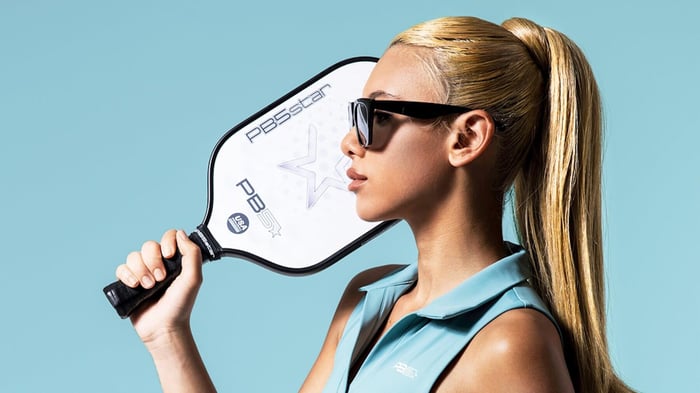
This year, focus on habits that support your body and sharpen your game both on and off the court. Prioritize mobility, rest, and mindful preparation so that your training turns into sustained performance when it matters most. At PB5star, we help pickleball players dress for success so they can focus on playing sharp and the game at hand.

What wellness resolutions mean for competitive pickleball
Wellness resolutions for competitive players go beyond basic workout routines; they create a systematic approach that connects your training, recovery, nutrition, and mindset into one performance plan. Your strength work improves shot power, your recovery protocols maintain consistency across tournament weekends, and your nutrition timing keeps energy steady during three-set matches.
This integrated approach becomes measurable when resolutions are specific, scheduled, and trackable, so progress shows up where it matters most: faster court coverage, sharper decision-making under pressure, and confidence that lasts through tie-breakers.
1. Hydration habits that win tie-breakers
Strong hydration habits are one of the simplest ways to maintain consistent energy, focus, and performance throughout every rally. A good rule of thumb is to sip water throughout the day and increase your intake before and during play, especially in hot weather. When you stay ahead of your hydration, your body recovers faster, your reactions stay sharp, and your stamina holds steady through long matches.
As games stretch into tie-breakers, electrolytes become just as important as water. Drinks that contain sodium and other minerals help your body retain fluids and reduce the risk of muscle cramps or fatigue. A quick check in the morning can tell you if you’re starting the day well-hydrated. Clear or pale yellow means you’re ready, while darker shades suggest it’s time to drink up before hitting the court.
2. Dynamic warm-up routines that prime speed and agility
Every great performance starts before the first serve. A focused dynamic warm-up gets your body and mind ready to move with speed, balance, and control right from the start. Instead of holding stretches, a short series of movements that build intensity helps wake up your muscles, joints, and coordination, so you hit the court already tuned for quick reactions and powerful plays.
- Mobilize first: Start with hip circles, ankle rolls, and thoracic spine rotations to create range of motion in your primary movement joints. This foundation allows optimal movement patterns.
- Activate your powerhouse: Follow with glute bridges, clamshells, and core activation drills to wake up the stabilizing muscles that control your stops, starts, and direction changes.
- Time and track consistency: Keep your dynamic warm-up routines to exactly 6-8 minutes and use the same sequence every time. This creates a reliable pre-match ritual that signals your nervous system to prepare for performance.
3. Mindful recovery strategies for busy schedules
Smart recovery starts the moment your last rally ends. A focused 3-5 minute cooldown, characterized by easy movement and controlled breathing, helps bring your heart rate down while initiating the recovery process. Between back-to-back matches, use micro-recovery windows strategically: prop your legs up for 5 minutes, work through a quick calf massage, or practice deep breathing to reduce fatigue accumulation.
Recovery days deserve the same planning attention as your hardest training sessions. Schedule them with intent rather than treating them as afterthoughts. Light cardio and mobility work improve circulation without adding mechanical stress to your joints and muscles. These mindful recovery strategies compound over time, helping you show up fresh for league matches when the pressure is highest.
4. Strength training for pickleball power and longevity
Strategic strength training for pickleball transforms your court coverage, speed, and tie-breaker endurance into competitive advantages. This strength training approach for pickleball builds a foundation for explosive movement while maintaining peak performance throughout tournament weekends and long league seasons.
- Target lower-body power and deceleration patterns: Split squats, lateral lunges, and plyometric hops train the exact movement demands of pickleball, quick starts, sharp cuts, and controlled stops that maintain your balance through every rally.
- Schedule twice-weekly strength sessions lasting 30-40 minutes: Focus on compound movements, such as deadlifts, squats, and single-leg work, paired with core stability exercises that prevent unwanted twisting during powerful shots.
- Include injury prevention as performance enhancement: Supervised strength interventions may reduce sports injury risk while improving the muscular fitness that supports consistent, confident play throughout long match days.
5. Court-friendly nutrition that fuels every rally
Smart court-friendly nutrition starts with timing your pre-match meal 60–90 minutes before play. Combine balanced carbohydrates with lean protein; think oatmeal with yogurt or a turkey sandwich on whole-grain bread. During matches, maintain steady energy levels with quick-digesting carbs, such as bananas or dates, paired with regular sips of an electrolyte solution.
Post-match recovery nutrition completes your performance strategy within your first hour off court. Target 20–35 grams of protein alongside carbohydrates to jumpstart muscle repair and replenish energy stores, a range that supports optimal recovery. A protein shake with fruit, chocolate milk, or a chicken and rice bowl are all suitable options. This window is when your body most efficiently uses nutrients to rebuild and prepare for your next session.
6. Mental focus techniques for pressure points
Competitive matches demand split-second decisions and consistent execution when the stakes are high. The difference between winning and losing often comes down to mental focus techniques that keep you connected to your game plan rather than getting rattled by missed shots or opponent momentum shifts.
- Build decision speed with daily visualization: Spend 3-5 minutes each day, mentally rehearsing your serves, third-shot drops, and poach reads in vivid detail.
- Anchor focus with one trackable controllable: Choose either first-serve percentage or unforced errors to monitor during each match, tracking a single metric keeps your attention on execution rather than score or opponent performance.
- Practice the routine during drills: Use your reset sequence and visualization cues during practice sessions so they become automatic when pressure builds in tournament play.
7. Injury prevention tips you can keep all year
Smart injury prevention tips begin with targeted stability exercises that protect your most vulnerable joints. Add a joint-care circuit that includes calf-soleus raises, tibialis raises, hip CARs, and shoulder external rotation work. These movements take 15-20 minutes but create durable movement patterns that handle the quick direction changes and overhead reaches that pickleball demands.
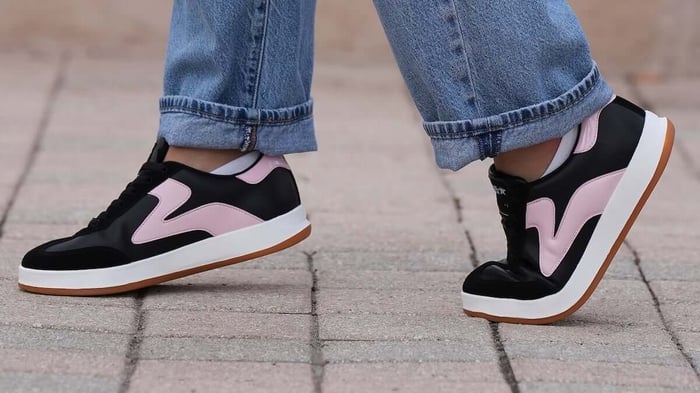
The shoes you choose make a real difference in during those sharp pivots and hard sprints to the net. Court shoes designed for lateral movement provide the ankle support and traction needed for confident play. The right gear becomes your foundation for staying healthy through tournament weekends and league seasons.

8. Community play involvement that builds skill and consistency
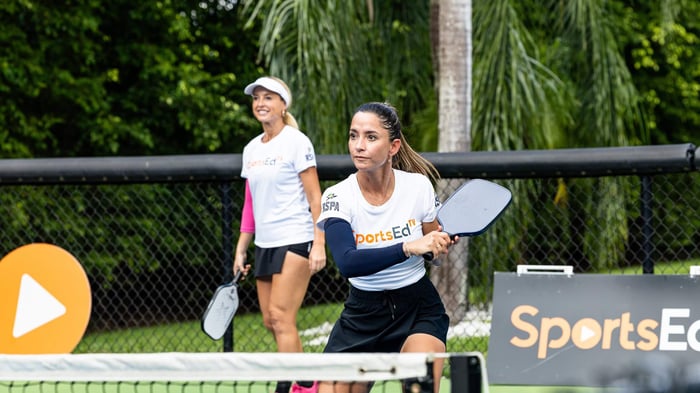
Experienced competitors understand that solo practice only takes you so far. Community play involvement creates the competitive pressure, varied looks, and immediate feedback that transform good players into consistent winners. When you organize, you're building the tactical awareness and adaptability that matter most when league points are on the line.
- Schedule weekly ladder sessions or small-group drills: Maintain match-level intensity between tournaments. Consistent competitive pressure sharpens your court awareness and keeps your reflexes tournament-ready during the off-season.
- Rotate partners every 15-20 minutes during practice: Facing different playing styles, speeds, and strategies, this tactical variety builds the pattern recognition you need to read opponents quickly in competitive play.
- Switch roles systematically during drills: Spend equal time driving, resetting, and poaching, so you understand each position's responsibilities and can anticipate what opponents will attempt from those spots.
9. Rest and sleep optimization for reliable performance
Quality rest and sleep optimization have a direct impact on your court performance, enhancing reaction time and decision-making accuracy. Protect a consistent 7–9 hour sleep window with regular bed and wake times, even on weekends. This consistency helps your body maintain peak cognitive function when you need to execute split-second positioning adjustments during competitive play.
To achieve this level of restorative sleep, your pre-sleep routine becomes a performance tool in itself. Create a 30–45 minute wind-down period with dimmed lights, gentle stretching, and zero screen time to prime your nervous system for recovery. On tournament days or intense training blocks, add a strategic 15–20 minute early afternoon nap or non-sleep deep rest session.
10. Consistent practice schedules that actually stick
Building consistent practice schedules requires structure that works with your competitive calendar, not against it. The secret lies in creating focused, repeatable sessions that deliver measurable progress without overwhelming your week.
- Start a 31-day habit sprint: Three weekly sessions targeting serve accuracy, third-shot drops, and transition defense to build instinctive reactions under pressure.
- Batch complementary skills: Pair footwork ladder drills with dink-to-drive progressions to create consistent practice schedules that are both efficient and comprehensive.
- Schedule practice blocks: During consistent time slots that align with your hydration and recovery routines, treat them like business meetings that can't be moved or skipped.
Bring your resolutions to life
These ten wellness resolutions work because they focus on steady, repeatable actions that lead to real progress on the court. Select a couple that aligns with your current routine and begin them this week. Small steps practiced consistently make a bigger difference than occasional bursts of effort.
The right pickleball apparel and gear also play a key role in supporting your wellness goals. Quality shoes with reliable traction and support help you move confidently, while breathable, performance-focused clothing keeps you comfortable through long sessions. At PB5star, we design high-performance apparel and footwear that elevate your comfort, movement, and confidence, so every match reflects your commitment to the game.
FAQs
How much should I drink to stay hydrated optimally during a two-hour pickleball session?
Beyond your regular daily intake, add 16-20 ounces about 2 hours before play, then 6-8 ounces every 15-20 minutes during matches. Include electrolytes if you're sweating heavily or playing in the heat. Monitor your urine color that morning; pale straw means you're starting hydrated and ready to compete.
What's the most time-efficient warm-up if I only have five minutes?
Focus on dynamic movement: 30 seconds each of leg swings, arm circles, and lateral shuffles, then 2 minutes of light bouncing and short sprints. Skip static stretching and prioritize movements that mimic court actions. Your body will feel more responsive than if you jump straight into rallies.
How many strength sessions per week improve pickleball performance without adding soreness?
Two 30-40 minute sessions work best for most competitive players. Focus on compound movements, such as squats, deadlifts, and core exercises, rather than isolation exercises. Schedule them 48 hours apart and avoid heavy lifting the day before tournaments to maintain fresh legs for optimal court movement.
How can I recover quickly during consecutive tournament days?
Prioritize sleep, hydration, and post-match nutrition within 60 minutes of finishing. The same sports nutrition guidelines recommend 20-40 grams of protein, along with carbohydrates, for optimal muscle recovery. Light movement and stretching between tournament days helps more than complete rest for maintaining competitive readiness.